

 MyPortfolio
Call Us
Open Menu
MyPortfolio
Call Us
Open Menu

Find your next sailing using Canada’s most detailed cruise search system.
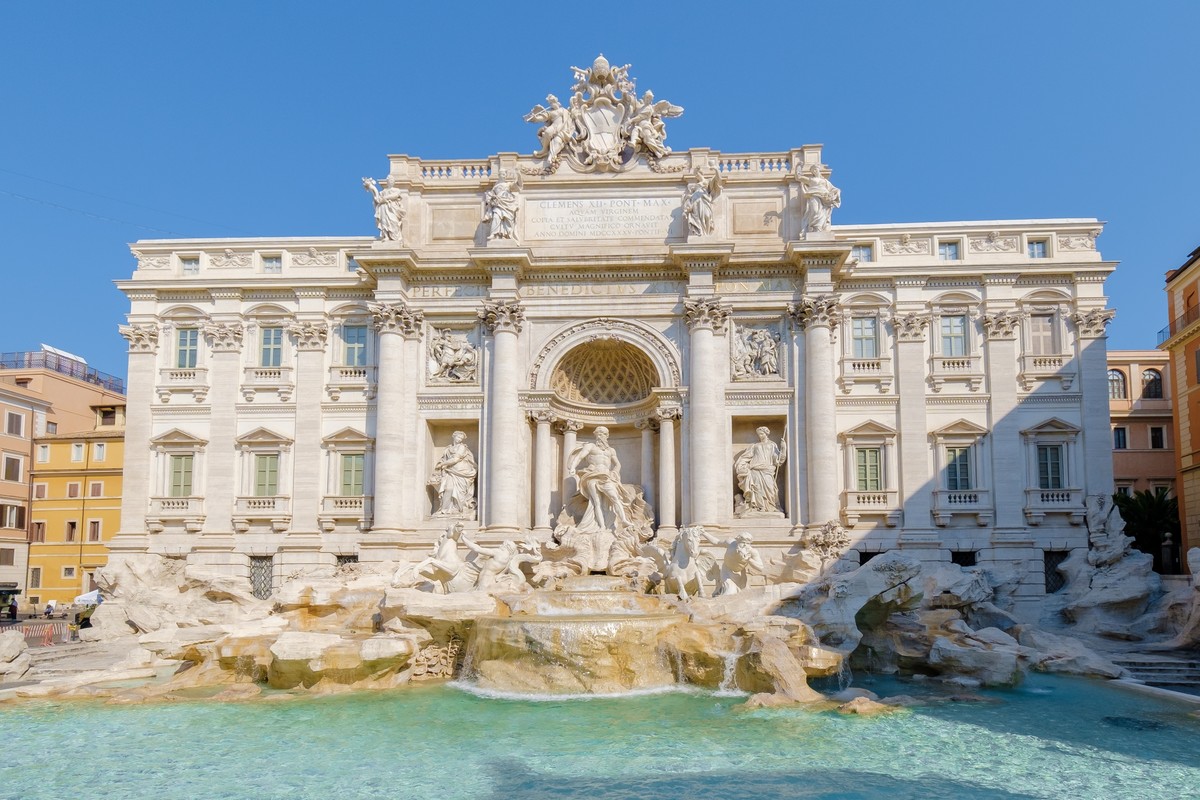
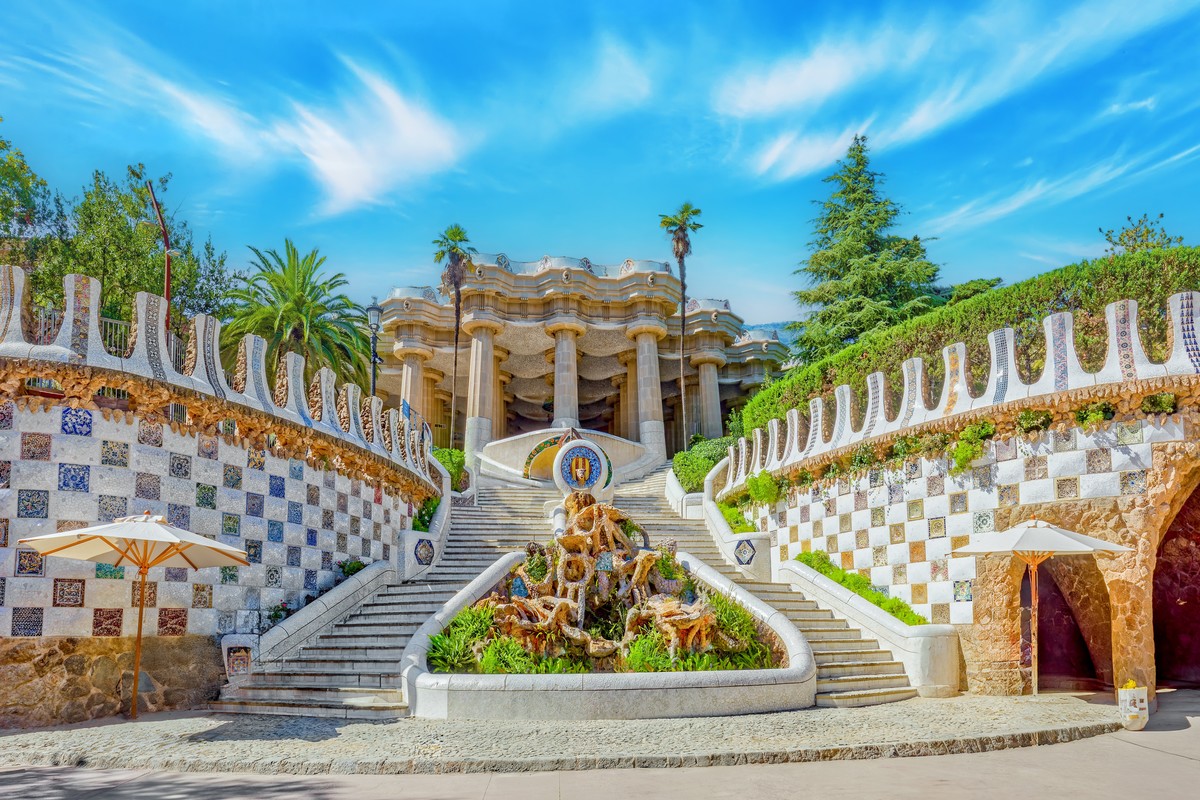
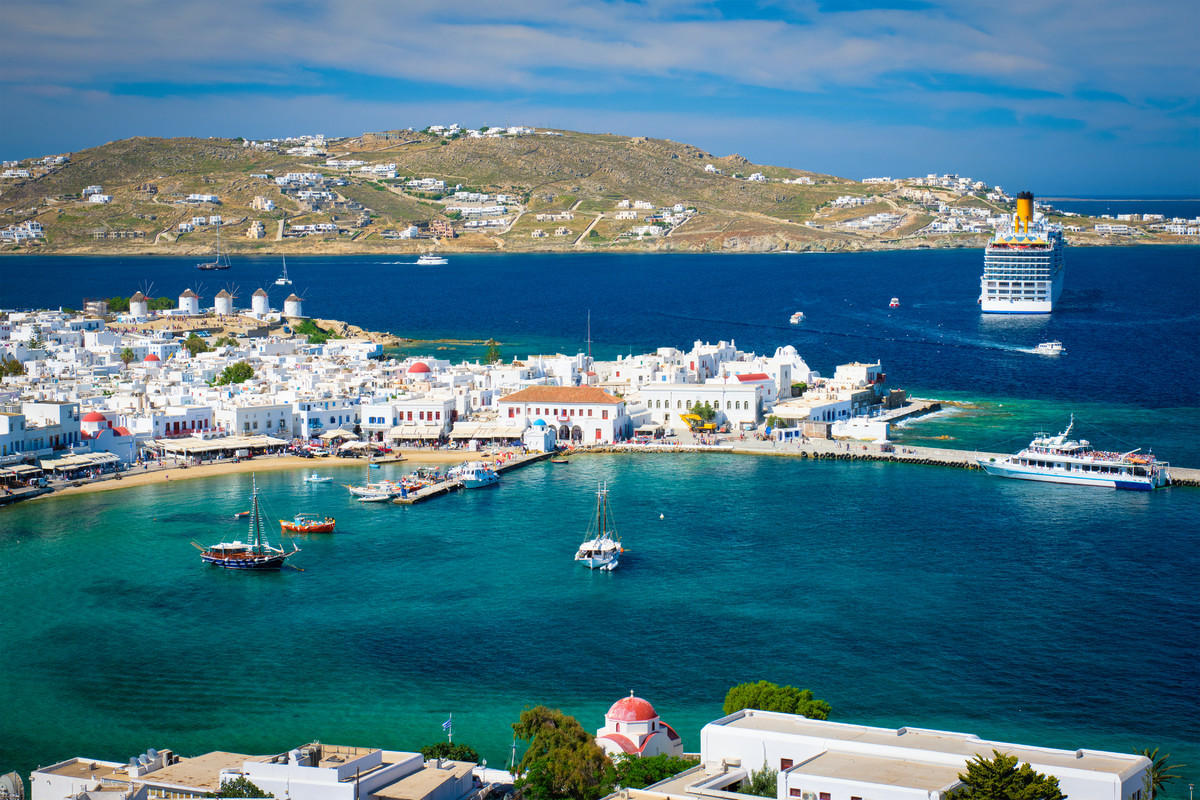
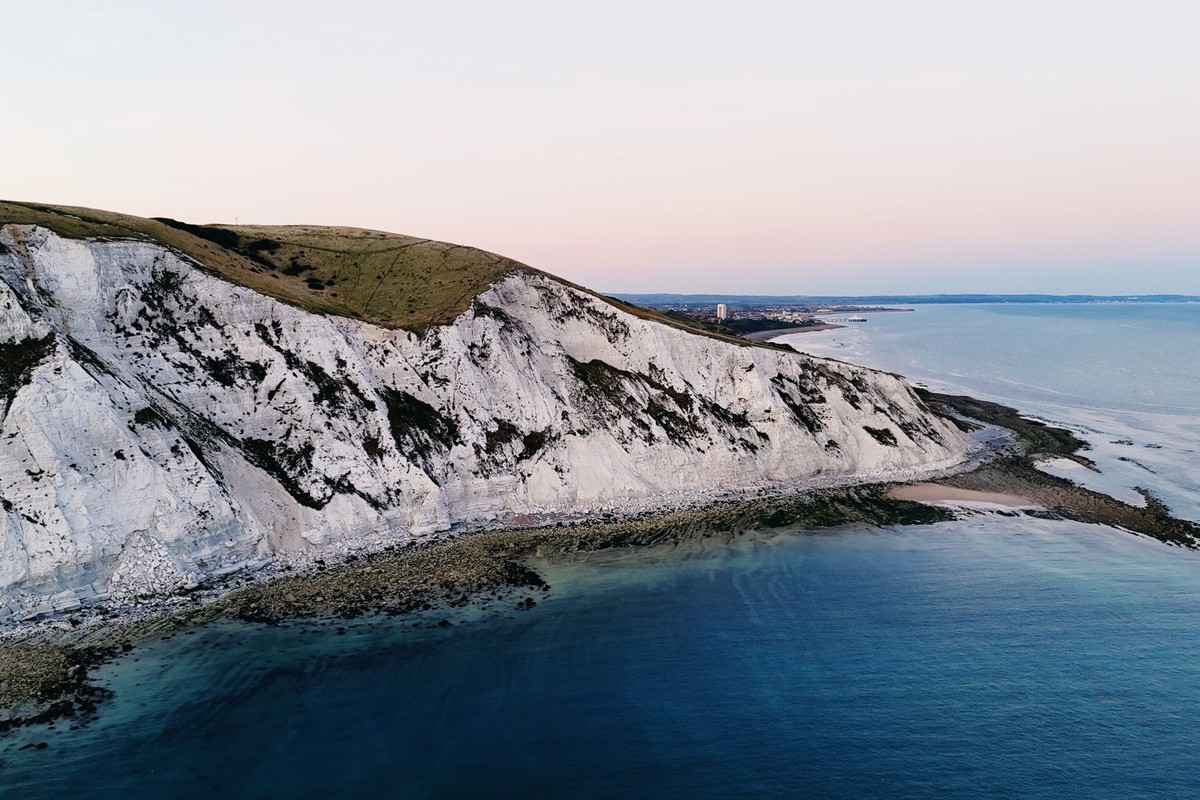
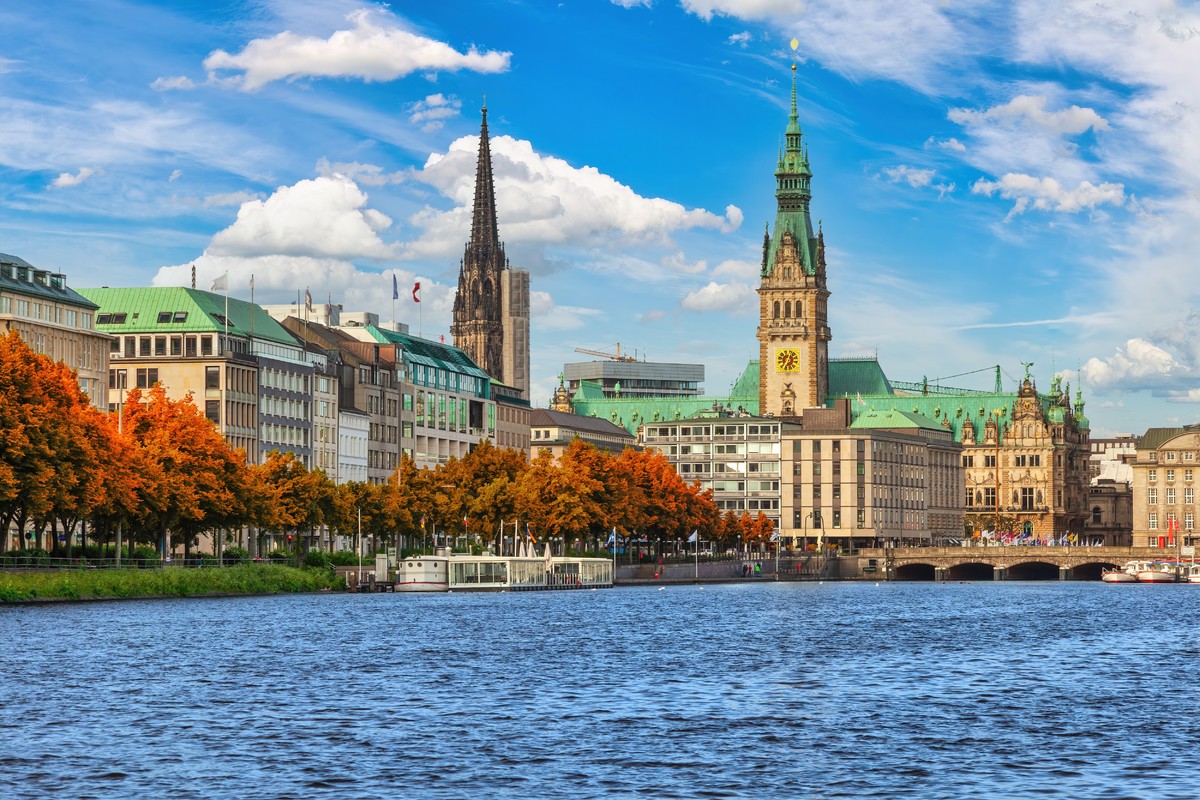
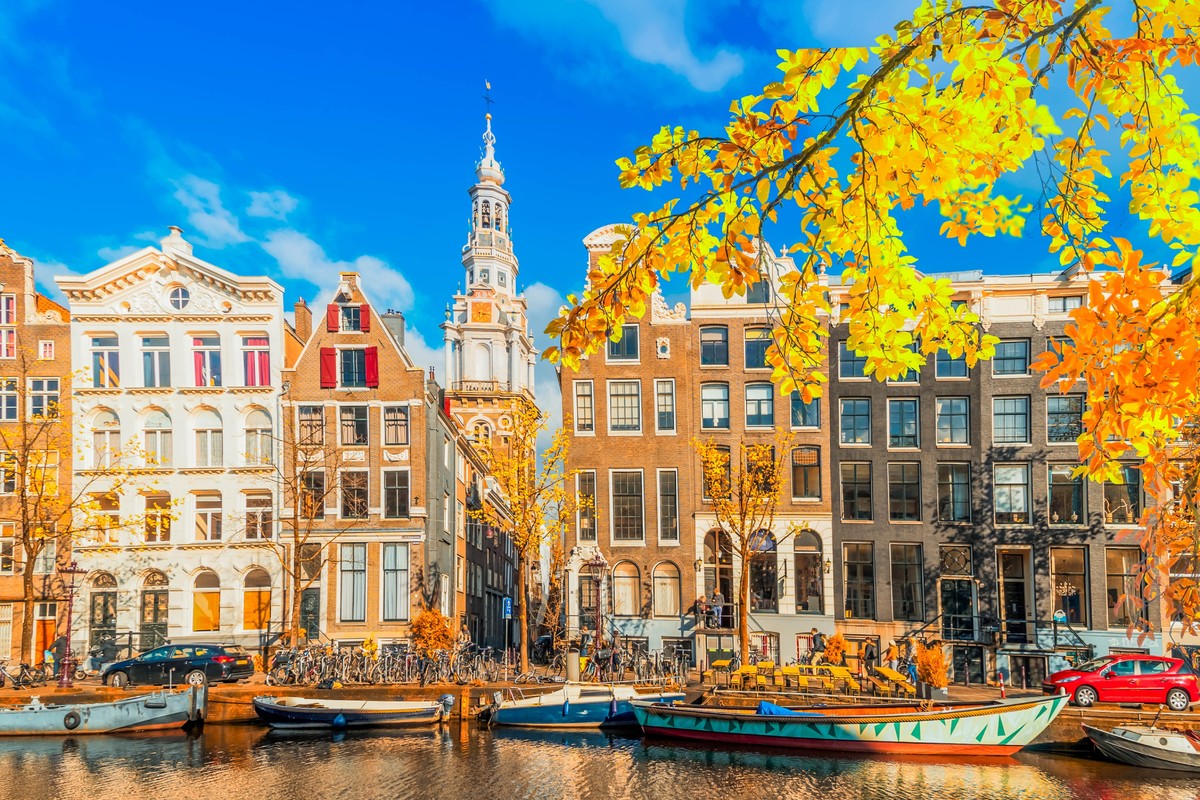
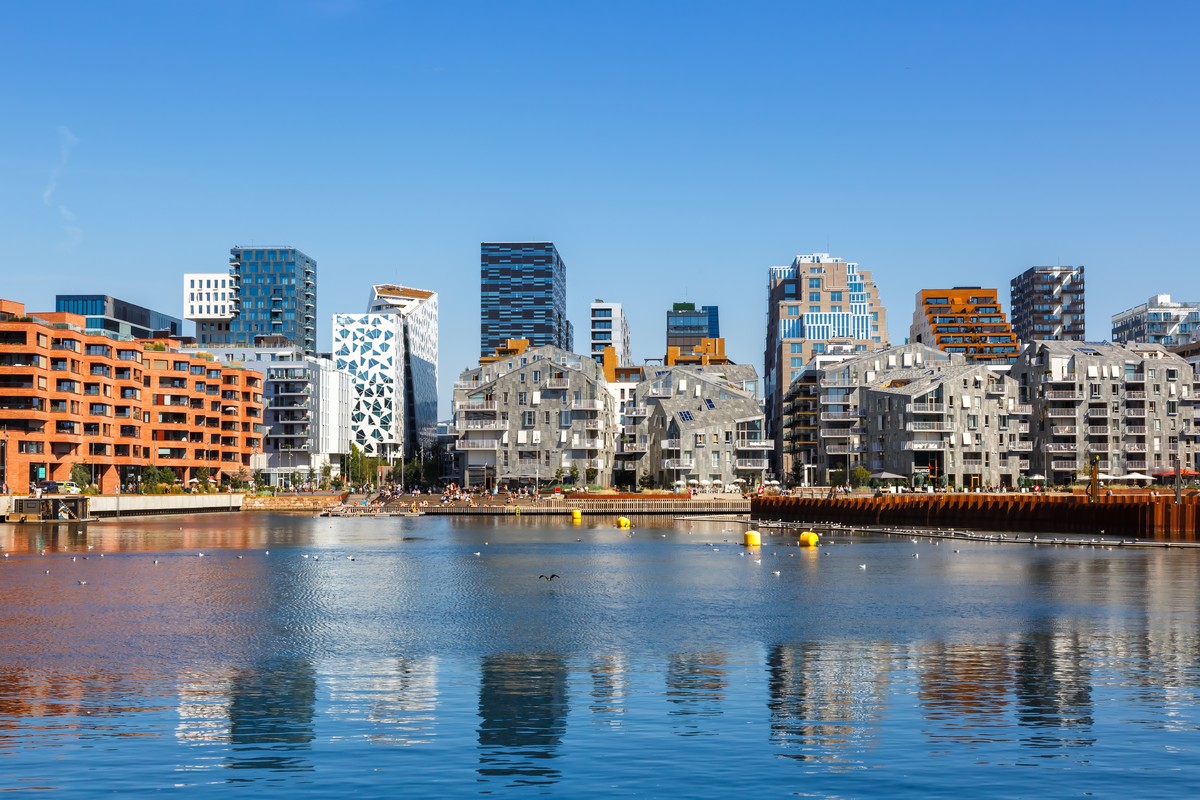
When it comes to cruising Europe, the smartest starting point is to think in two broad categories: Northern Europe and the Mediterranean. Everything flows from that one distinction and the biggest factor driving it isn't scenery or culture, it's temperature.
The Mediterranean: Sun, Sea, and Sensory Overload (in the Best Way)
High season in the Med, roughly May through October, gives you the kind of weather most of us dream about: warm enough to lounge on deck, soak in a pool, or wander a cobblestone piazza in a light linen shirt. If that lifestyle appeals to you, the Med hard to beat. That said, the shoulder seasons (April and early November) bring cooler, breezier conditions, not quite tanning weather, but genuinely pleasant for exploring. Think fewer crowds and more breathing room at the Colosseum, definitely make the shoulder season worth your consideration.
The Mediterranean naturally splits into two sub-regions, and knowing the difference really matters:
Western Mediterranean cruises typically depart from Barcelona or ports in Italy, weaving along the French and Italian Rivieras and often dipping into the Balearic Islands (Mallorca, Ibiza). It's all about glamour, cuisine, and those picture-postcard coastal towns.
Eastern Mediterranean sailings usually begin in Italy and fan out through the Aegean and Adriatic, think Greek islands, Turkey, and sometimes Israel and Egypt combined. The history here is staggering; you can walk through an ancient Roman amphitheatre in the morning and swim in the crystal-clear Aegean Sea in the afternoon.
Longer Grand Mediterranean itineraries try to give you the whole picture, combining east and west, and they're spectacular if you have the time. A word of honest advice here: be cautious of any Mediterranean cruise that promises to cover it all in ten or eleven days. It can be done, but the experience often feels extremely rushed. If you truly want to get a feel for the Mediterranean rather than just photograph it, consider doing it in two separate sailings. There's simply too much to see.
Northern Europe: Where the Ports Are the Point
Northern European cruises include Baltic sailings through Scandinavia, Norwegian Fjords, Arctic Circle expeditions, and British Isles itineraries. Pack your layers, bring a good rain jacket and shift your mindset entirely, because these itineraries aren’t about lounging on deck chairs; it's about what awaits you in every port.
That's not a criticism; it's actually one of the most compelling things about these itineraries. When the main event isn’t the ship, you focus in on the ports you’ll visit, and Northern Europe delivers! Viking history in Stockholm, the surreal colours of Bergen, the raw drama of the fjords carving through Norway, the medieval streets of Tallinn, and the sheer thrill of sailing above the Arctic Circle. Pay careful attention to the port list when comparing these itineraries. The stops are the main attraction, and a well-chosen itinerary can feel like a masterclass in European history and geography.
Grand Europe sailings combine the best of both worlds, starting in the north and sweeping around the Iberian Peninsula and along the French coast before settling into the Mediterranean. These tend to be longer voyages, often three weeks or more, but if you have the flexibility, the contrast between north and south makes for an incredibly rich experience.
Transatlantic Crossings: The Best Value You've Never Considered
If you've got time and you're open to something a little different, transatlantic crossings deserve a serious look. The per diem cost on these voyages is remarkable, often lower than almost any other vacation you can construct at a comparable level of quality.
The typical itinerary runs eastbound from North America or the Caribbean in April, and westbound back again in November. These sailings attract a loyal following of experienced cruisers who appreciate a slower pace and a more contemplative kind of travel. There are ports on either end, but the crossing itself involves several consecutive days at sea, and that's either the appeal or the dealbreaker, depending on your personality.
It's worth noting: these aren't Caribbean-smooth waters, but most crossings take the southern route, which is significantly calmer than the stormy North Atlantic passages of decades past. Motion sickness is a real consideration, but it's manageable for most people with modern ships and, if needed, medication.
Let's Talk About the Cost Because It's Not What You Think
Here's something I tell every client who hesitates at the price of a European cruise: don't just look at the total. Break it down into a per diem, divide the total cost by the number of days, and then start doing the math.
How much does a four- or five-star hotel cost per night in Rome, Barcelona, or Copenhagen? In city centres, where cruise ships often dock, you're easily looking at €350–€600 a night, sometimes more. Now add meals. Good meals in Europe, not tourist-trap meals. Add a glass of wine with dinner and morning coffee with a pastry. It adds up shockingly fast.
If you're considering a coach tour, factor in the tips for tour directors and local guides (those aren't optional, really), the meals not covered by the package, and what European cities charge for beverages alone. Planning to rent a car? Don't forget insurance, fuel, parking in medieval cities not designed for cars, and the very real stress of navigating unfamiliar roads while driving on the wrong side of the road.
When you add it all up, comparable quality accommodation, meals included, entertainment, fitness facilities, the excitment of waking up somewhere new each day, cruising often comes out ahead. The intangibles are real: no packing and unpacking every two days, no navigating train schedules or airport transfers between cities, no hunting for parking. You arrive in port rested and ready to go.
Yes, you give up some spontaneity. You can't decide on a whim to spend three days in Florence instead of one. But the trade-off of visiting eight or ten remarkable places in two weeks without the logistical exhaustion of independent travel is one that many travelers find completely worth it.
For so many, Europe is the bucket list destination they’ve been dreaming about for years. Talk to one of our agents who've been on these sailings, and we'll help you sort through the options and find the itinerary that's genuinely right for you.