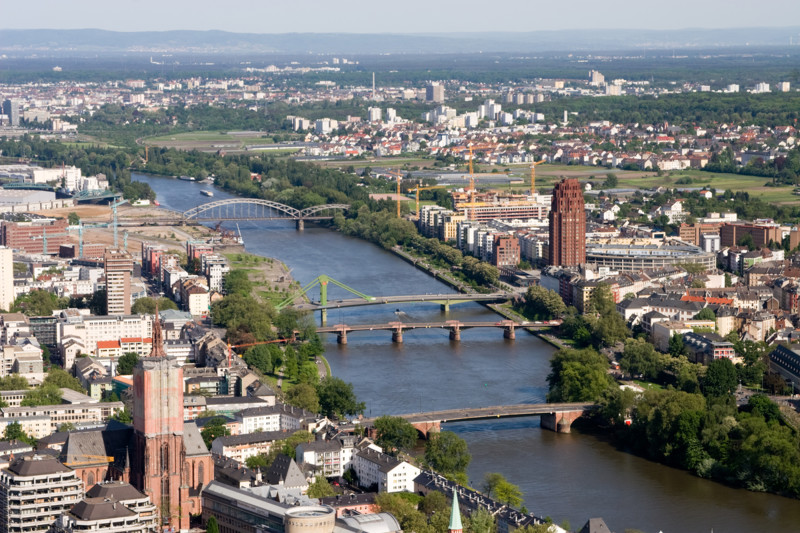
Germany is one of Europe’s most varied and most underestimated travel destinations. It is a country that contains, often within a short train ride of each other, a reunified capital city of extraordinary energy and history, medieval old towns virtually untouched by the modern world, Alpine landscapes of genuine grandeur and a wine and food culture that goes well beyond the beer-and-sausage shorthand most visitors arrive with. Our Germany packages from Canada include return flights, hotel accommodation, daily breakfast and airport transfers, giving you a complete and well-structured base from which to explore at your own pace.
Departure airports: Lufthansa, Air Canada and Condor all operate nonstop or connecting service from Canada to Germany’s major international airports. Frankfurt Airport (FRA) is the primary hub, with nonstop service from Toronto (YYZ) and connections available from most other Canadian cities. Munich Airport (MUC) is the main gateway for Bavaria and southern Germany. Berlin Brandenburg Airport (BER) is served via connections through European hubs. If you do not see your departure city listed, please call us — we can price options not shown on our website.
Best areas to visit
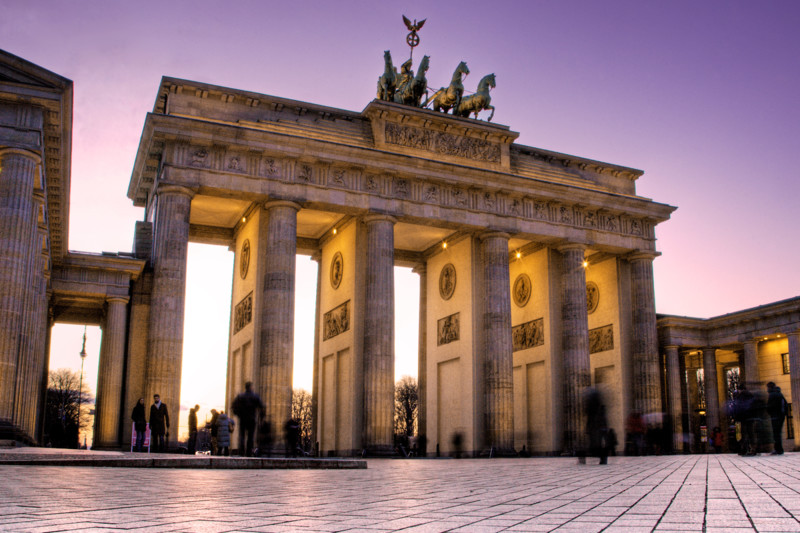
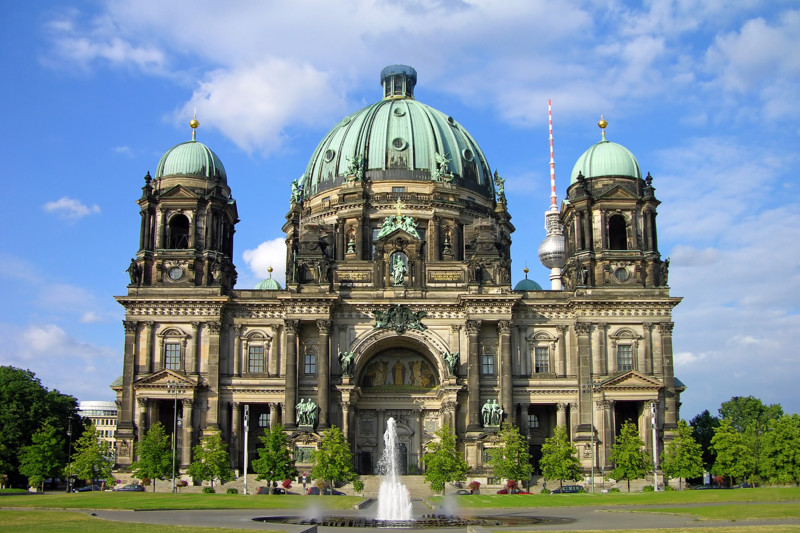
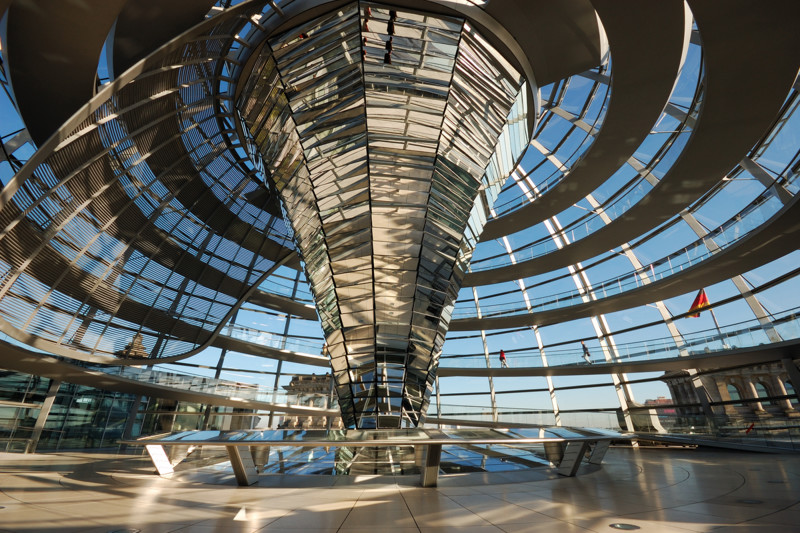
- Berlin: the German capital is one of the great city destinations in Europe — vast, layered and still visibly in the process of becoming. The Brandenburg Gate, the Reichstag, the Holocaust Memorial and Checkpoint Charlie anchor the historical circuit, but Berlin’s real character lives in its neighbourhoods: the galleries and street art of Kreuzberg and Friedrichshain, the market halls and design shops of Prenzlauer Berg, and the museums of Museum Island, a UNESCO World Heritage Site with five world-class institutions on a single river island in the Spree.
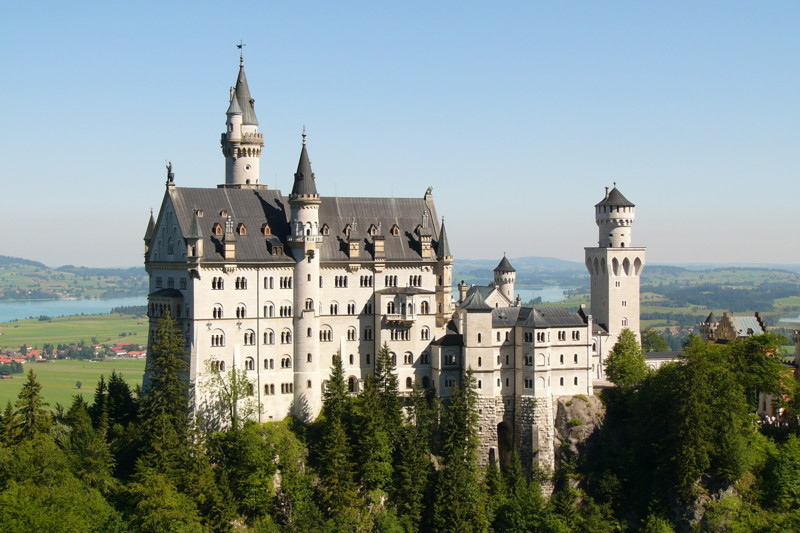
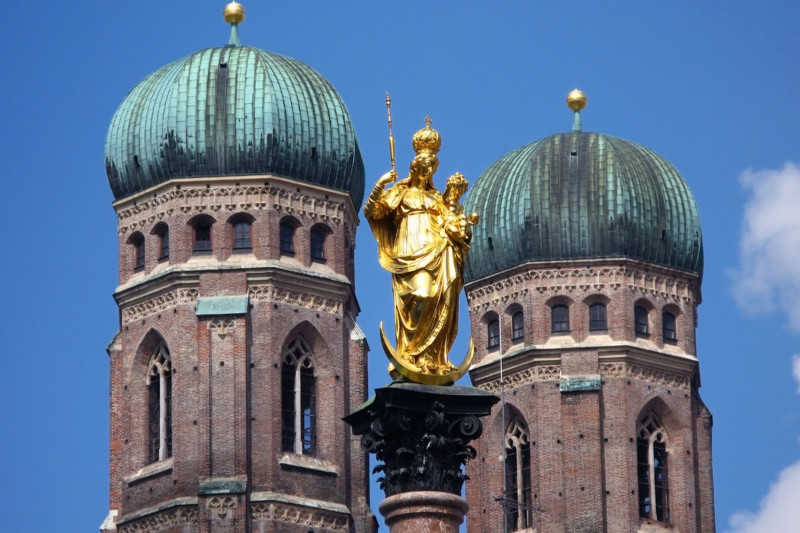
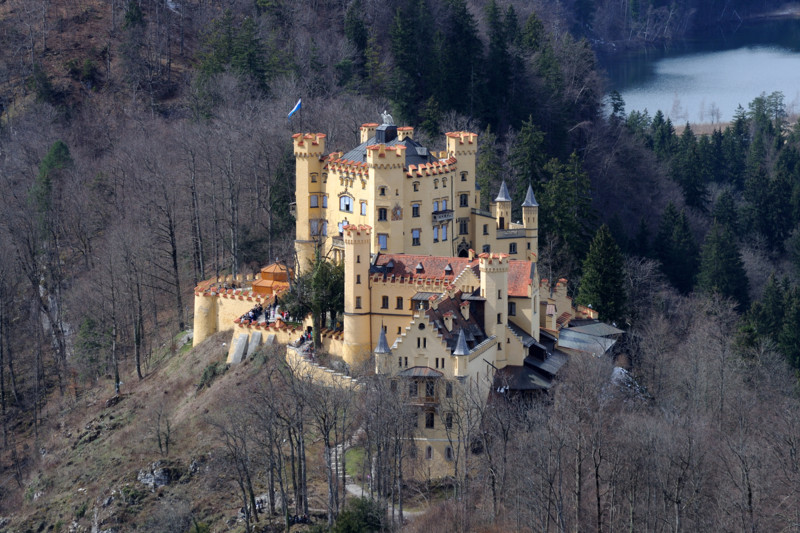
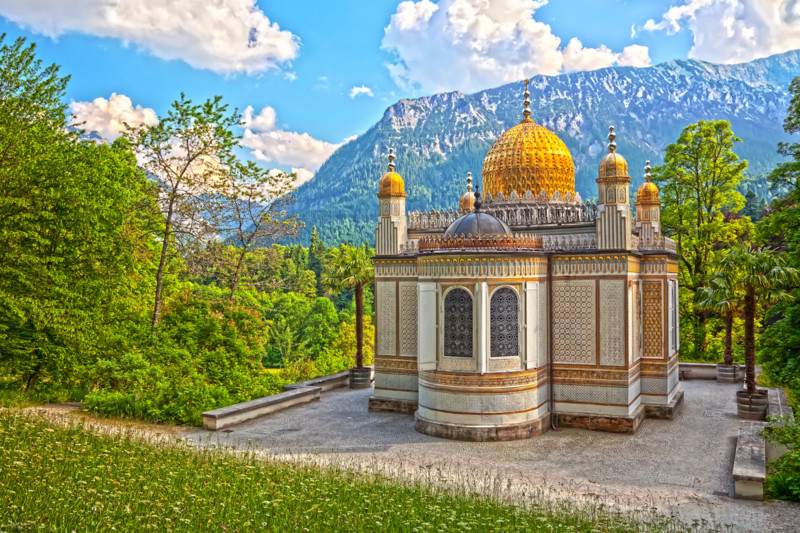
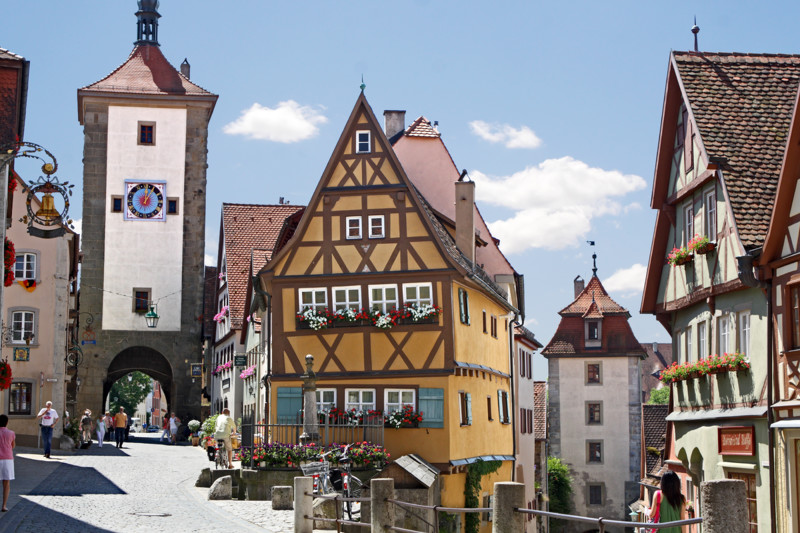
- Munich and Bavaria: Germany’s most visited region for good reason. Munich is a confident, prosperous city with excellent museums (the Deutsches Museum is one of the finest science and technology museums in the world), a legendary beer hall culture and easy access to the Alpine foothills. Beyond the city, Bavaria delivers Neuschwanstein — the extravagant 19th-century castle that inspired the Disney silhouette — the Romantic Road through medieval towns like Rothenburg ob der Tauber, and the Bavarian Alps along the Austrian border.
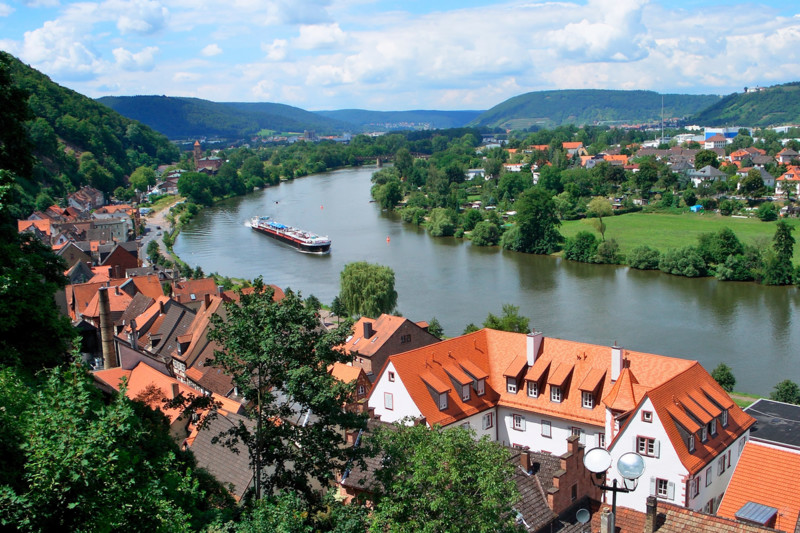
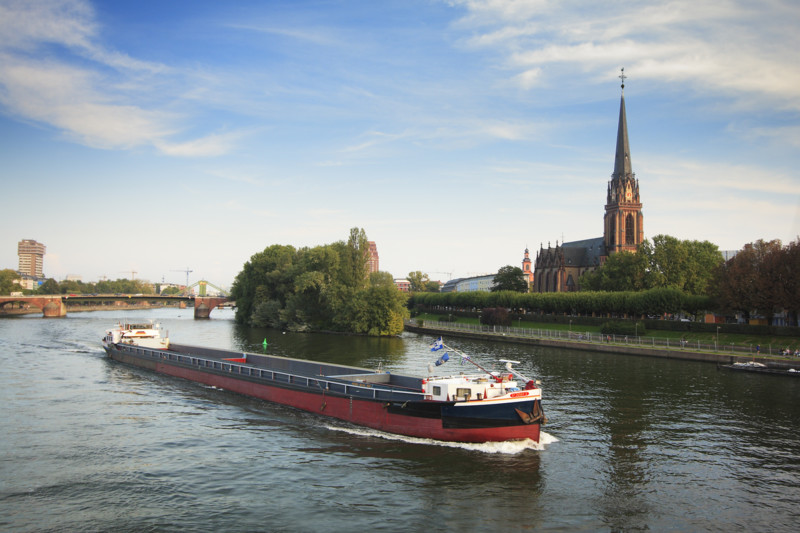
- The Rhine Valley: the stretch of the Rhine between Koblenz and Rüdesheim is among the most scenically dramatic river landscapes in Europe: steep terraced vineyards, medieval castles perched above the water and a string of wine villages that have been producing Riesling for centuries. A river cruise or a train journey along the Rhine is one of Germany’s great travel experiences.
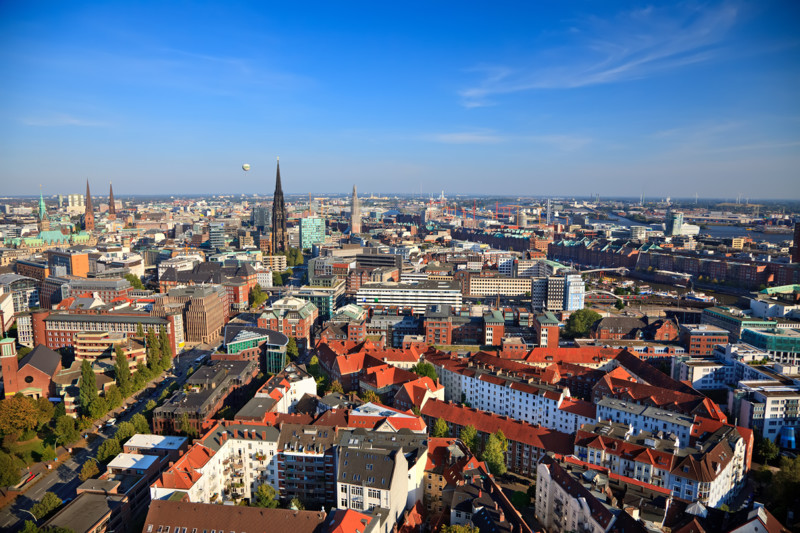
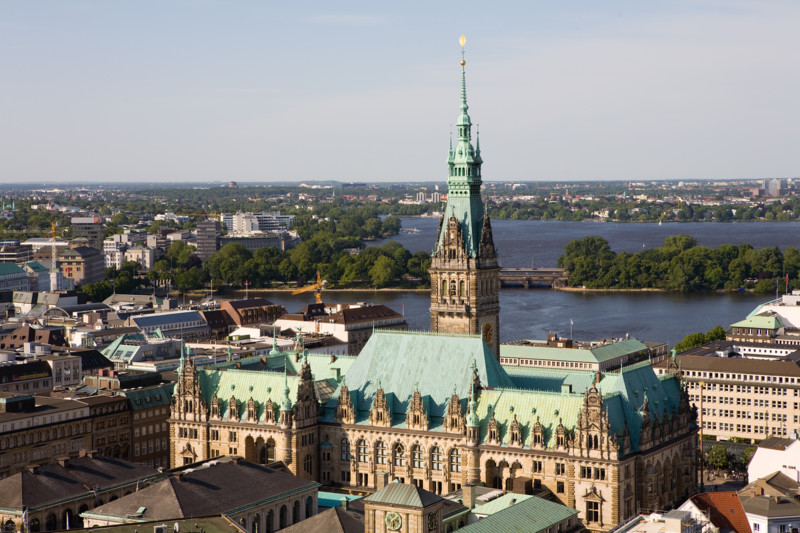
- Hamburg: Germany’s second city and its gateway to the world for centuries. The Speicherstadt — the vast red-brick warehouse district now converted into museums, design studios and restaurants, and a UNESCO World Heritage Site — and the Elbphilharmonie concert hall are the headline attractions. The Reeperbahn, the fish market at dawn and the port atmosphere of the Elbe waterfront give Hamburg a character that is emphatically its own.
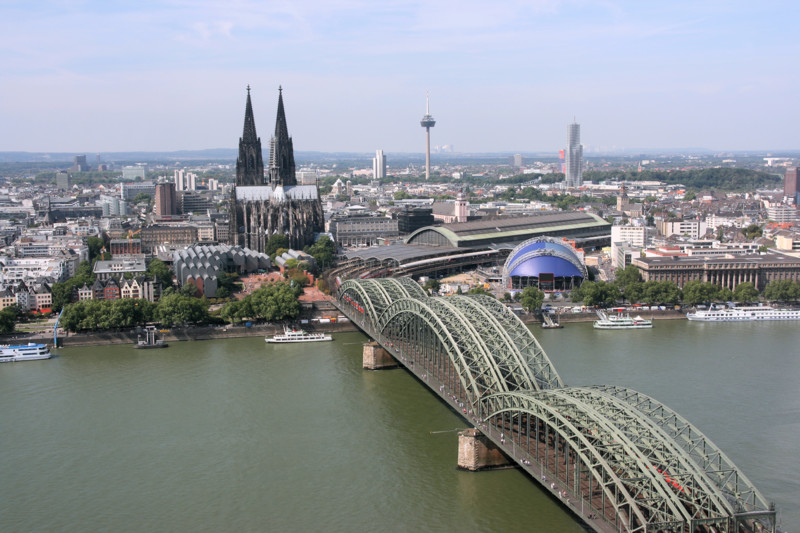
- Cologne and the Rhineland: Cologne’s Gothic cathedral — the Dom — is one of the most extraordinary pieces of medieval architecture in the world, and the city’s compact old town, alongside an excellent museum quarter and a lively bar and restaurant scene centred on Kölsch beer, make it a strong city-break destination. The Rhineland connects easily with Bonn, Düsseldorf and the Rhine Valley further south.
- The Black Forest: in the southwest corner of Germany, the Black Forest — Schwarzwald — is a landscape of dense conifer forest, valley meadows, spa towns and medieval villages. Baden-Baden is the most elegant of the spa resorts, with thermal baths and a casino that has drawn visitors since the 19th century. Freiburg, at the southern end of the forest, is one of Germany’s most liveable cities, with a sunny climate and a vibrant university town character.
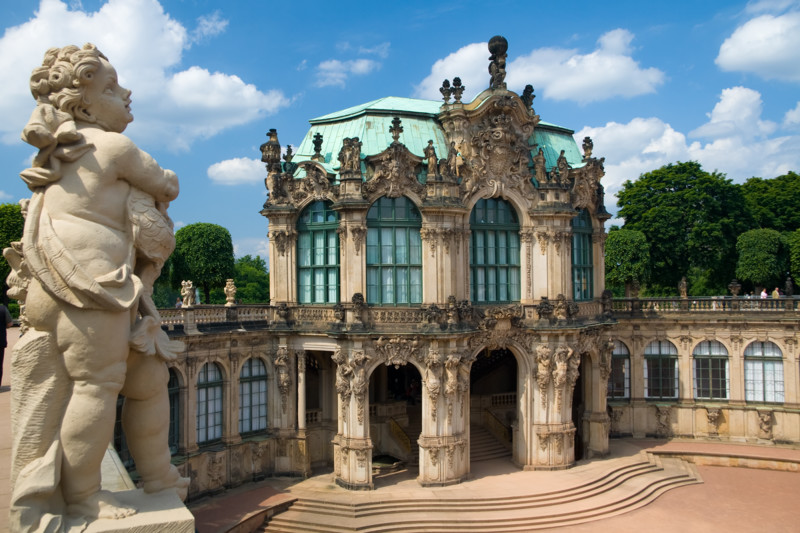
- Dresden and Saxony: rebuilt after near-total destruction in 1945, Dresden has restored its baroque city centre to extraordinary beauty. The Zwinger palace complex, the Frauenkirche and the Semper Opera House make the Altstadt one of the finest ensembles of baroque architecture in Europe. The Saxon Switzerland National Park, a landscape of sandstone pillars and deep river gorges east of Dresden, is one of Germany’s most dramatic natural areas.
A few must-see sights
- Neuschwanstein Castle: the pinnacle of 19th-century Romantic architecture, built by the eccentric King Ludwig II of Bavaria on a rocky outcrop above the village of Hohenschwangau. One of the most photographed buildings in the world, and even more extraordinary in person. Book timed entry tickets in advance, particularly in summer.
- Museum Island, Berlin: five major museums — including the Pergamon Museum with its reconstructed ancient Greek altar and Babylonian Ishtar Gate — on a UNESCO-listed island in the Spree. Allow a full day, or preferably two.
- Cologne Cathedral (Kölner Dom): begun in 1248, completed in 1880, and the tallest cathedral in the world for four years after its completion. The climb to the south tower observation platform rewards the effort with views across the Rhine and the city.
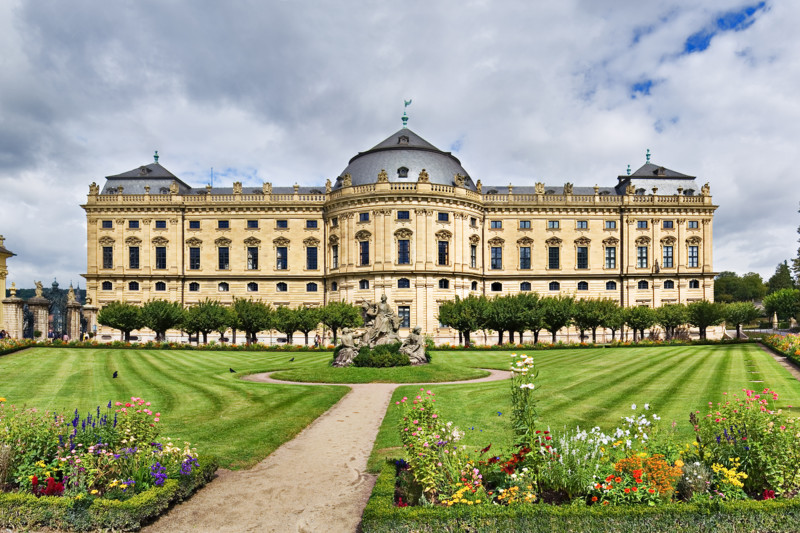
- The Romantic Road: a 460-kilometre route through Bavaria from Würzburg to Füssen, passing through some of Germany’s best-preserved medieval towns: Rothenburg ob der Tauber, Dinkelsbühl and Nördlingen among them. Best done by car or on an organised excursion.
- Oktoberfest, Munich: the world’s largest folk festival, held annually from late September to early October. Sixteen days of beer halls, traditional Bavarian food, fairground rides and extraordinary crowds. If you are planning to attend, book accommodation six to twelve months in advance.
- The Elbphilharmonie, Hamburg: the concert hall that opened in 2017 on a converted warehouse on the Elbe waterfront and immediately became one of the defining pieces of contemporary architecture in Europe. The public plaza at the top of the building is open free of charge and offers one of the finest urban views in Germany.
Getting around Germany
Germany has one of the finest public transport networks in Europe, and getting around between major cities is straightforward, comfortable and fast. The ICE (Intercity Express) high-speed rail network connects Berlin, Frankfurt, Munich, Hamburg, Cologne and other major cities at speeds of up to 300 km/h, with frequent daily departures. Frankfurt to Munich takes approximately three and a quarter hours; Berlin to Hamburg around one hour forty-five minutes. The rail network makes multi-city itineraries easy to build without a rental car.
Within cities, Germany’s urban transport — U-Bahn (metro), S-Bahn (suburban rail), trams and buses — is efficient, extensive and well-signed in English. Berlin, Munich, Hamburg and Cologne all have excellent city transport systems that make taxis unnecessary for most visitors. For travellers planning to explore the Rhine Valley, the Black Forest or the Bavarian countryside in depth, a rental car gives the most flexibility and is worth considering as an add-on.
Germany is also a very walkable country at the city level. Most historic old towns — Rothenburg, Freiburg, Dresden’s Altstadt, the old quarters of Cologne and Hamburg — are compact enough to cover entirely on foot, and the country’s cycling infrastructure is among the best in Europe for those who want to get out of the city.
Best time to visit and typical weather
Germany has a temperate continental climate that varies notably by region. The north is cooler and wetter; Bavaria and the southwest are warmer and sunnier. The country is rewarding year-round, but the most popular travel windows from Canada are May through June and September through October.
- Spring (April to June): 12 to 22°C. The finest overall window for most of Germany. Beer gardens open, long days, outdoor markets in full swing and the Christmas market crowds a distant memory. Late May and June are the warmest months of the shoulder season and the best time to drive the Rhine Valley or the Romantic Road.
- Summer (July to August): 20 to 30°C, occasionally higher in the south. The busiest season, with Neuschwanstein and other top sites at peak capacity. Excellent for outdoor festivals and the Bavarian lakes. Oktoberfest preparations begin in late August, and the festival itself runs from late September into early October.
- Fall (September to October): 10 to 20°C. A strong choice for Canada travellers — Oktoberfest in Munich, autumn colours in the Rhine Valley and the Black Forest, and noticeably thinner crowds at most major attractions. One of the best times to visit the wine regions.
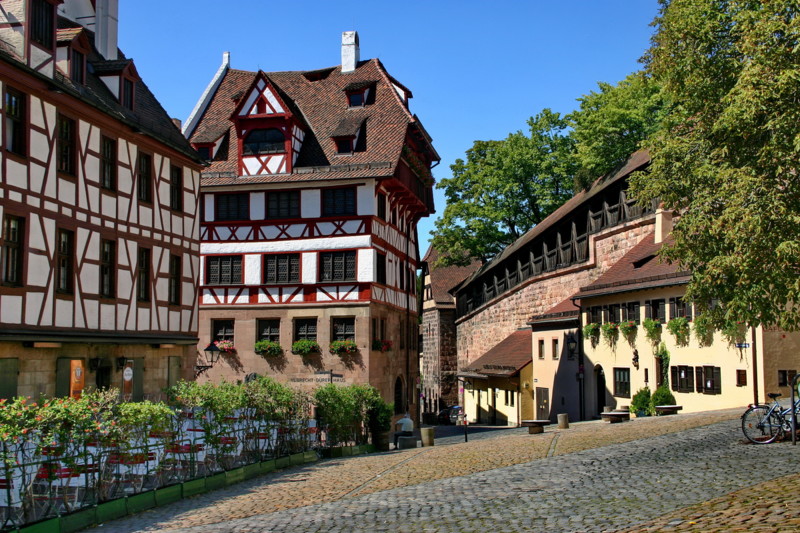
- Winter (November to March): 0 to 8°C. Germany’s Christmas markets, running from late November through December 23rd, are among the finest in Europe — Nuremberg, Cologne, Dresden and Rothenburg are particularly celebrated. January and February are quiet and cold but very affordable.
Typical temperatures:
- January to February: −2 to 5°C. Cold, quiet, Christmas market season in December.
- March to May: 8 to 18°C. Spring warming rapidly, outdoor season beginning.
- June to August: 20 to 30°C. Peak season, long days, festivals and outdoor life.
- September to October: 10 to 20°C. Oktoberfest, autumn colour, excellent conditions.
- November to December: 1 to 8°C. Christmas markets from late November, festive atmosphere throughout.
Not sure which part of Germany is the right fit for your travel style, or how to combine cities into a multi-stop itinerary? Speak with one of our agents who has been to Germany and can help you plan the right trip for your dates and interests. Call us at 1-800-665-4981.