There is nowhere else on earth quite like Venice. Built across 118 small islands in a lagoon on the northeastern coast of Italy, connected by over 400 bridges and navigated entirely by water and on foot, Venice is one of those places that defies every expectation and exceeds them at the same time. It can be crowded, occasionally overwhelming, and not inexpensive — but it is also genuinely, irreducibly extraordinary. The grand canal at dawn, a quiet campo in the early evening, the sound of a gondola moving through a narrow rio with no other noise around it — these are experiences that stay with you for the rest of your life.
Areas to Stay
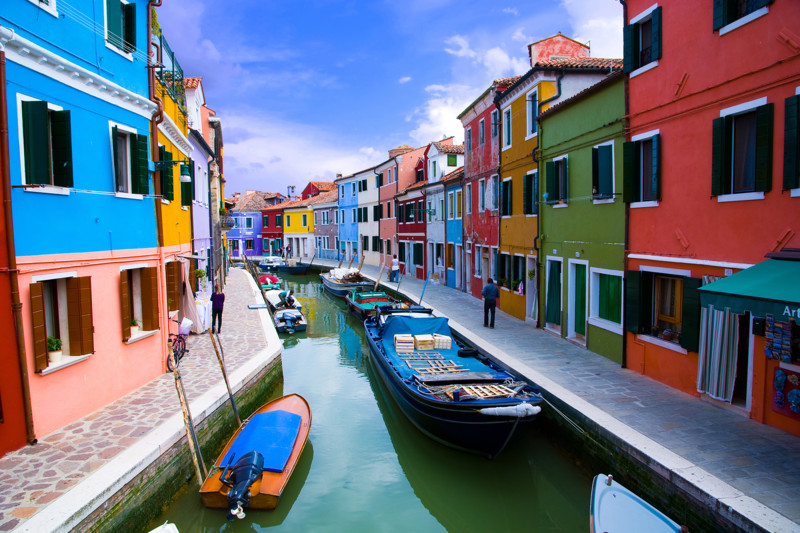
Venice is divided into six districts, or sestieri, each with its own character. San Marco is the most central and convenient, putting you steps from the main sights, though it is also the busiest and most expensive. Dorsoduro, just across the Grand Canal, offers a wonderful balance of proximity to the sights and a more local, residential atmosphere — it is the neighbourhood many experienced Venice visitors return to time and again. Cannaregio in the north is the most authentically everyday of the central districts, with quieter canals, neighbourhood restaurants, and the historically significant Jewish Ghetto. San Polo and Santa Croce on the western side of the canal are lively and well-connected, home to the Rialto Market and the Basilica dei Frari. Castello, the largest sestiere, stretches east from San Marco and is the least touristy of the central neighbourhoods, with some of the best local restaurants in the city. For something different entirely, the islands of Giudecca, Murano, and Burano offer their own distinct character, though they require a vaporetto ride to reach the main sights.
Must-See Attractions
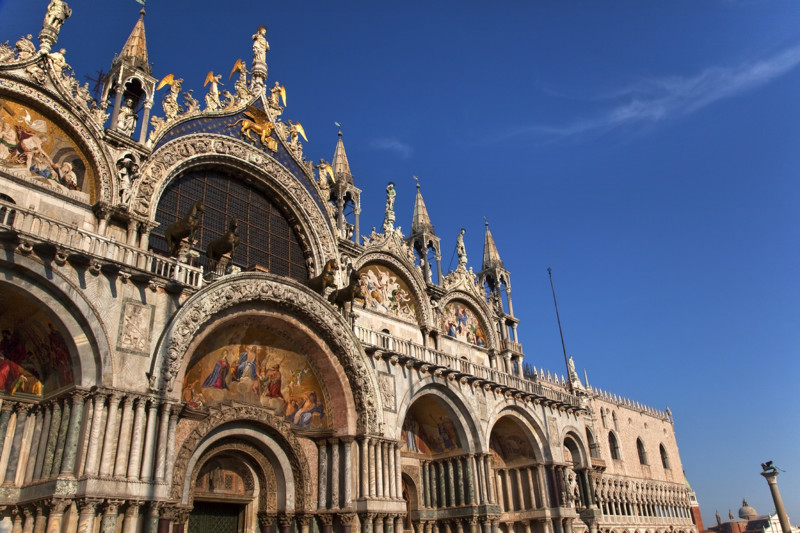
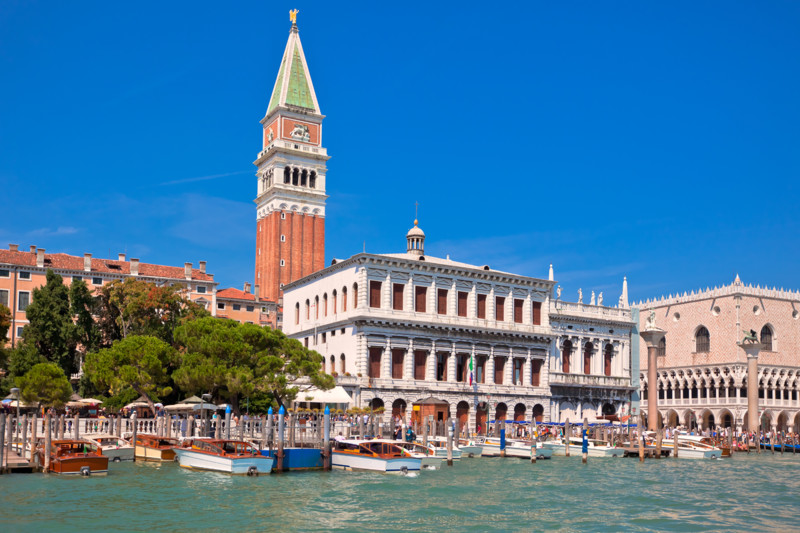
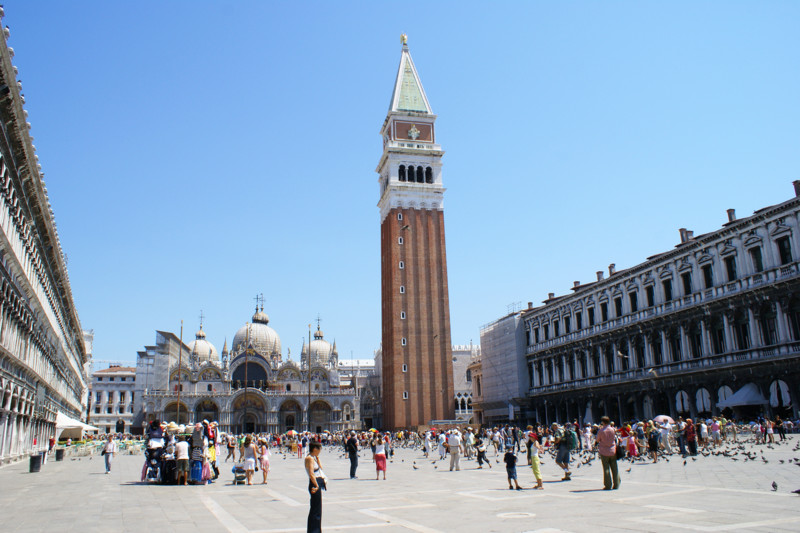
- Piazza San Marco and the Basilica di San Marco: The great square of Venice is one of the most famous public spaces in the world, and even with the crowds it commands, it retains a grandeur that is impossible to diminish. The Basilica itself, with its Byzantine domes, golden mosaics, and accumulated treasures of centuries, is extraordinary. Arrive early in the morning before the cruise ship passengers arrive and the experience is transformed.
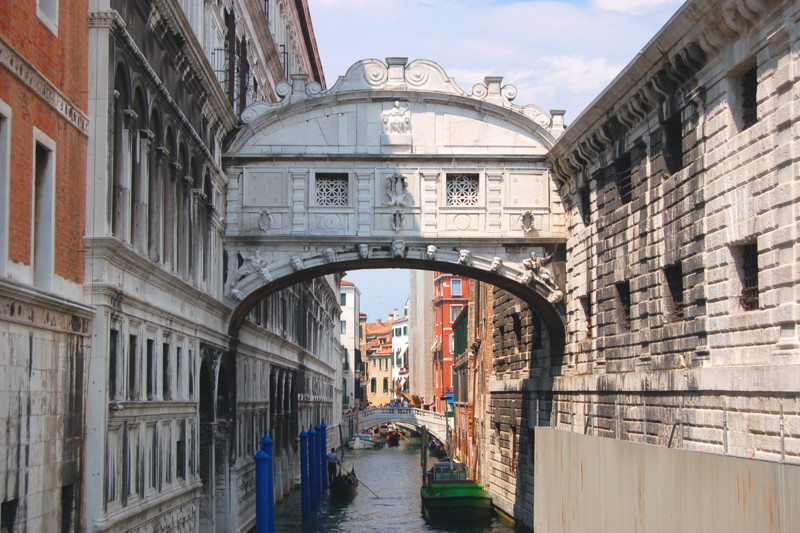
- The Doge's Palace (Palazzo Ducale): Adjacent to the Basilica, the Doge's Palace was the seat of Venetian power for nearly a thousand years and is one of the finest examples of Gothic architecture anywhere. The interior, with its vast council chambers, priceless paintings by Tintoretto and Veronese, and the infamous Bridge of Sighs, is not to be missed. Book tickets in advance.
- The Grand Canal: Venice's main waterway is best experienced by vaporetto — take the number 1 water bus from the train station all the way down to San Marco and simply watch the city go by. The palaces that line the canal, built by the merchant families who made Venice the greatest trading power in the medieval Mediterranean, are magnificent from the water in a way that no photograph fully captures.
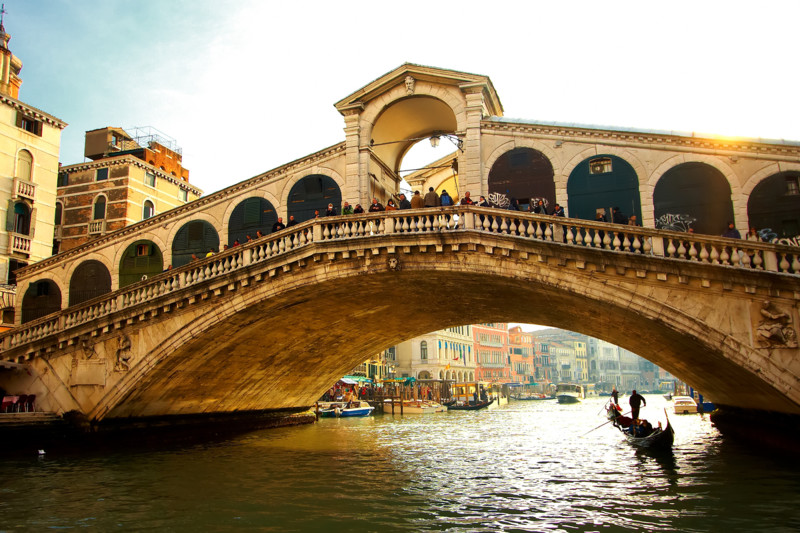
- The Rialto Bridge and Market: The Rialto Bridge is the oldest and most iconic of the bridges crossing the Grand Canal, and the market that spreads out beneath it on the San Polo side is one of the great food markets of Italy. The fish market in particular, operating since the 11th century, is a vivid, sensory experience and a reminder that Venice is still, beneath the tourism, a working city.
- The Gallerie dell'Accademia: The finest collection of Venetian painting in existence, housed in a former monastery in Dorsoduro. Works by Bellini, Carpaccio, Giorgione, Titian, Tintoretto, and Veronese trace the full arc of Venetian art from the 14th to the 18th century. A genuine world-class museum that is often less crowded than it deserves to be.
- The Peggy Guggenheim Collection: One of the most important collections of modern art in Europe, housed in Peggy Guggenheim's former home on the Grand Canal in Dorsoduro. Works by Picasso, Dalí, Kandinsky, Pollock, and Magritte are displayed in a setting — a low, open palazzo with a terrace right on the water — that is as memorable as the art itself.
- The Basilica dei Frari: In the San Polo neighbourhood, this vast Gothic church contains some of the greatest works of art in Venice, including Titian's Assumption of the Virgin, which dominates the high altar and is considered one of the finest paintings in Italy. The church also contains Titian's tomb and the elaborate monument to the sculptor Canova.
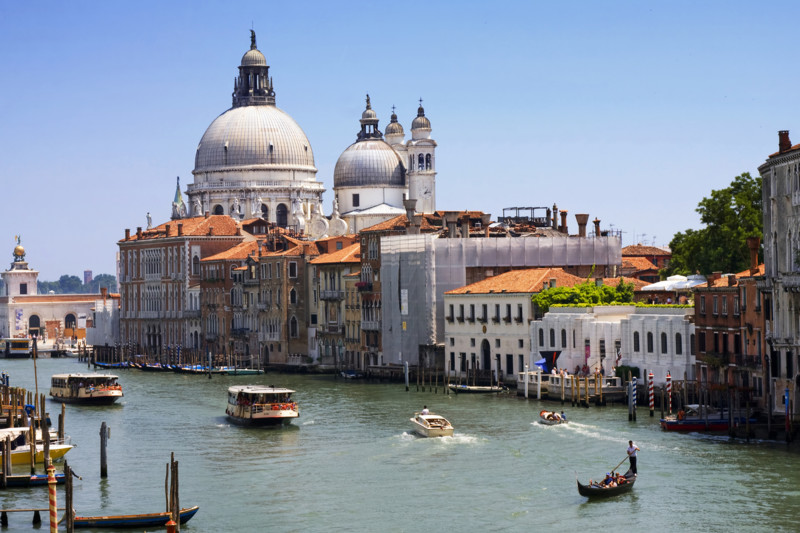
- Santa Maria della Salute: The great baroque church at the entrance to the Grand Canal is one of the defining images of the Venice skyline. Its white domes and voluminous exterior are a constant presence on the waterfront, and the interior contains important works by Titian and Tintoretto.
- The Jewish Ghetto: In Cannaregio, the world's first Jewish ghetto — the word itself originates here — is one of the most historically significant neighbourhoods in Europe. Its tall, narrow buildings and its five synagogues, some of which can be visited by guided tour, tell a history of remarkable resilience and cultural richness.
Getting Around
Venice is navigated entirely on foot and by water, and there are no cars, buses, or bicycles anywhere in the main island. This is one of the things that makes it unlike anywhere else, and getting used to the pace and the logic of the city is part of the experience.
On foot is the primary way to explore. Venice's network of calli, or streets, campi, or squares, and bridges rewards wandering and getting lost is not only inevitable but genuinely enjoyable. A good map or navigation app is helpful, but the city is small enough that you will eventually find your way to wherever you need to be.
The vaporetto is Venice's water bus system and is the main form of public transport on the water. Line 1 runs the full length of the Grand Canal and is the most useful for visitors. Line 2 is faster but makes fewer stops. Multi-day passes are available and offer good value if you plan to use the vaporetto frequently. Water taxis are also available but are considerably more expensive — useful for airport transfers or special occasions.
Traghetti are the traditional gondola ferries that cross the Grand Canal at several points where there is no bridge nearby. They are cheap, quick, and a practical way to cross the canal without walking to a bridge.
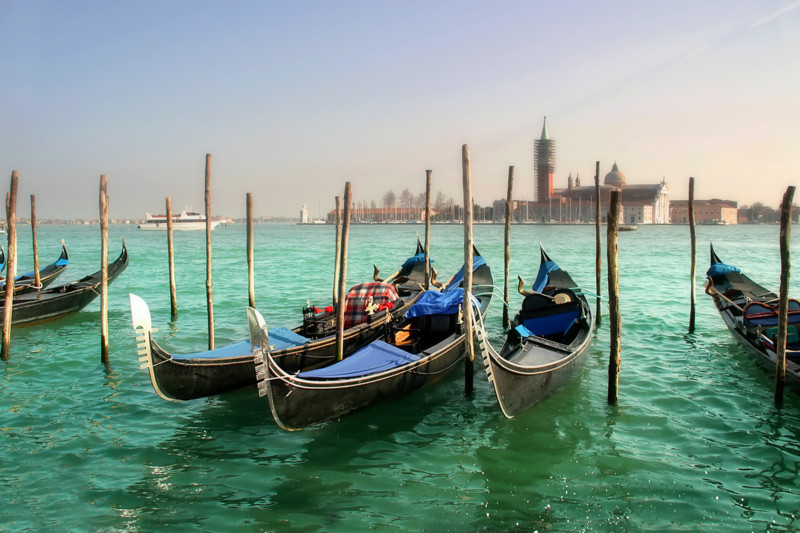
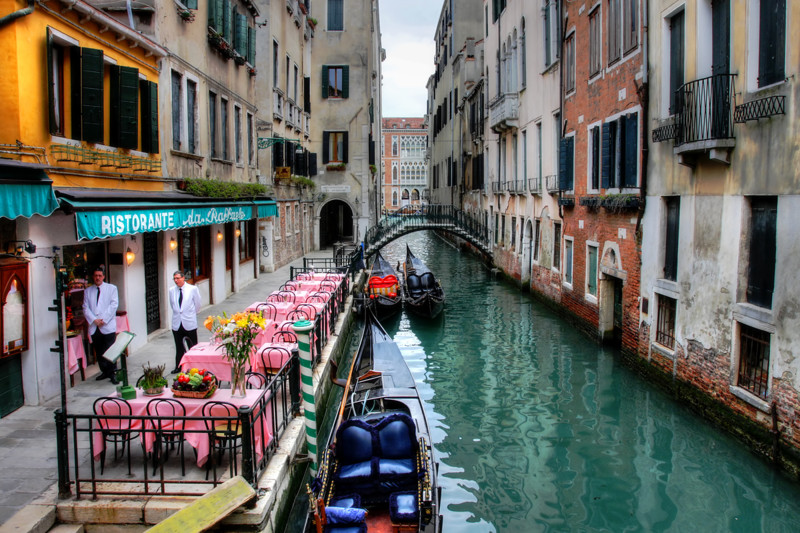
Gondolas are the iconic image of Venice and are genuinely wonderful, but they are primarily a tourist experience rather than a practical means of transport. A standard gondola ride lasts around thirty minutes and costs a fixed rate, which increases in the evening. If you choose to go — and many visitors feel they should at least once — opt for a quieter canal route away from the Grand Canal for a more atmospheric experience.
For reaching the islands — Murano, Burano, Torcello, and the Lido — the vaporetto network extends throughout the lagoon, with regular services from the Fondamente Nove stop in Cannaregio and from San Zaccaria near San Marco.
Typical Weather and Best Time to Visit
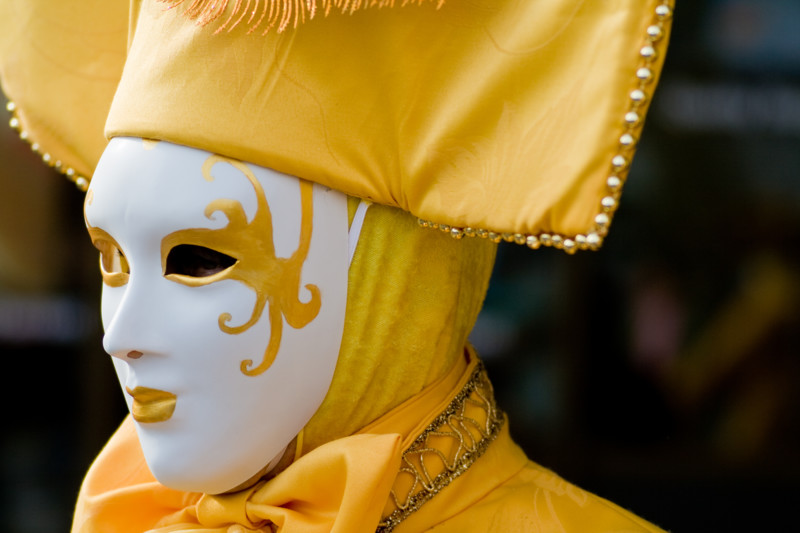
Spring (April and May) and autumn (September and October) are the two ideal windows for visiting Venice. Both offer mild, comfortable temperatures, thinner crowds than summer, and beautiful light on the water. October in particular is a favourite among experienced travellers — warm, golden, and atmospheric. Summer brings long evenings and a lively energy but also intense heat, high humidity, and the largest crowds of the year, particularly in July and August. Winter is cold, quiet, and atmospheric in its own way, with morning mists rising off the lagoon and the city feeling more like itself without the summer visitors. November through January also brings the highest risk of acqua alta, the periodic flooding that inundates parts of the city, particularly around San Marco. The Carnevale di Venezia in February, with its elaborate masks and historic costumes, is one of the great festivals of Europe and a spectacular time to visit — though accommodation must be booked well in advance.
A Final Note
Venice is a city that asks something of you. It asks you to slow down, to put away the itinerary occasionally, and to simply be present in one of the most remarkable places on earth. The visitors who love it most are those who resist the temptation to rush from sight to sight and instead give themselves permission to sit by a canal, eat well, get slightly lost, and let the city come to them. Give yourself at least three or four nights — ideally more — and stay in the city itself rather than commuting from the mainland. Venice at six in the morning, before the day trippers arrive, is a different city entirely, and one that will stay with you for the rest of your life. Call one of our Travel Agents who've been to Venice at 1-800-665-4981 and check this extraordinary destination off your list.