



-
Day 1
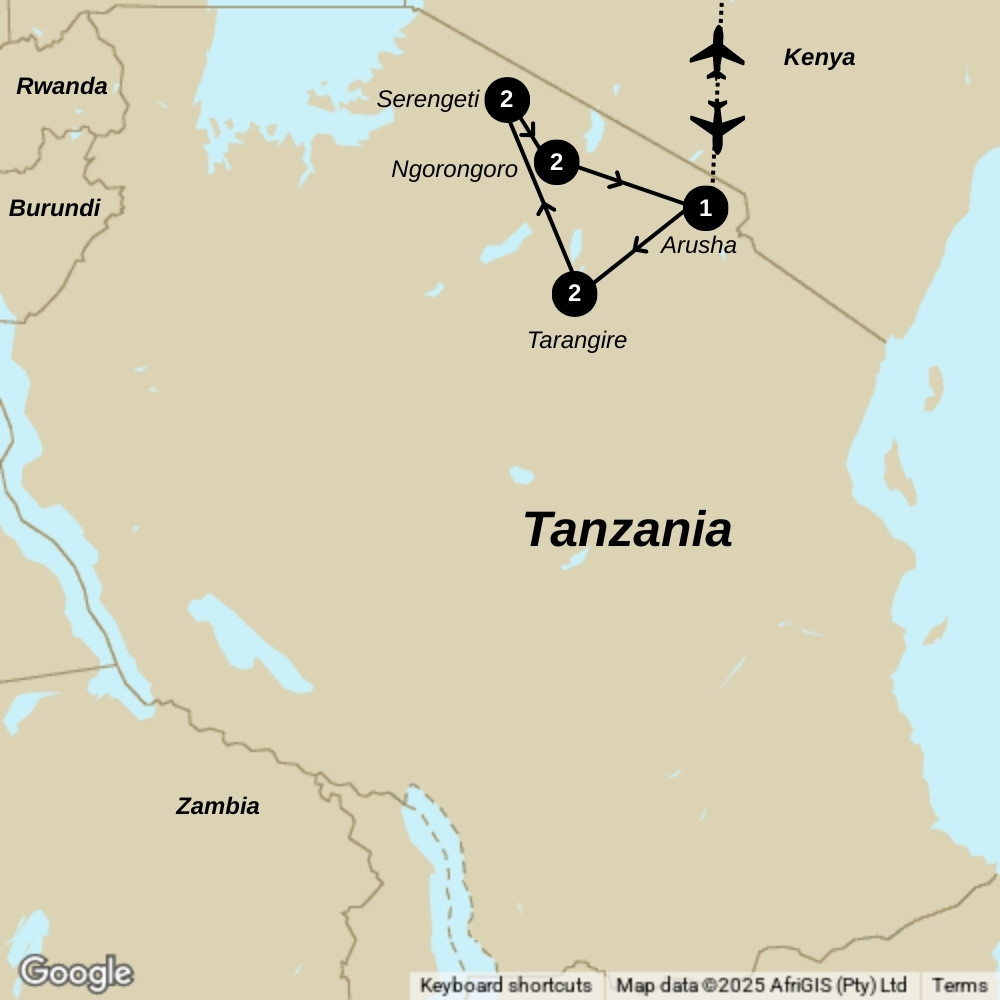
Kilimanjaro - Arusha
Upon arrival at the Kilimanjaro International Airport, a representative will meet and transfer you to the lodge. Enjoy an afternoon at leisure, perhaps heading out to explore Arusha at your own pace or taking advantage of the services available at the lodge. Picture yourself in an African environment without giving up on modern comforts; then, imagine you are nested within mature and colourful surrounding. Overnight in Arusha.
Hotel: Forest Hill Lodge 3* (or similar) -
Day 2
Arusha - Tarangire
Morning at leisure with safari briefing followed by lunch. In the afternoon depart Arusha in safari vehicle passing through the Masai Steppe filled with many picturesque African villages as well as maize, coffee and banana plantations. At the town of Makuyuni continue to Lake Burunge on the western edge of Tarangire National Park Gate. Here your lodge is located on the shores of the lake adjacent to the park. Arrive for dinner and overnight. Situated on the shores of Lake Burunge and located in the migratory corridor of Manyara and Tarangire, Lake Burunge Tented Camp is only a 20-minute drive away from Tarangire National Park. The camp consists of 20 Luxury Tents and 10 Lodge Rooms nestled in a shady bushland grove, with spectacular views of Lake Burunge. Overnight in Tarangire.
Hotel: Lake Burunge Tented Camp 3* (or similar) -
Day 3
Tarangire - Manyara
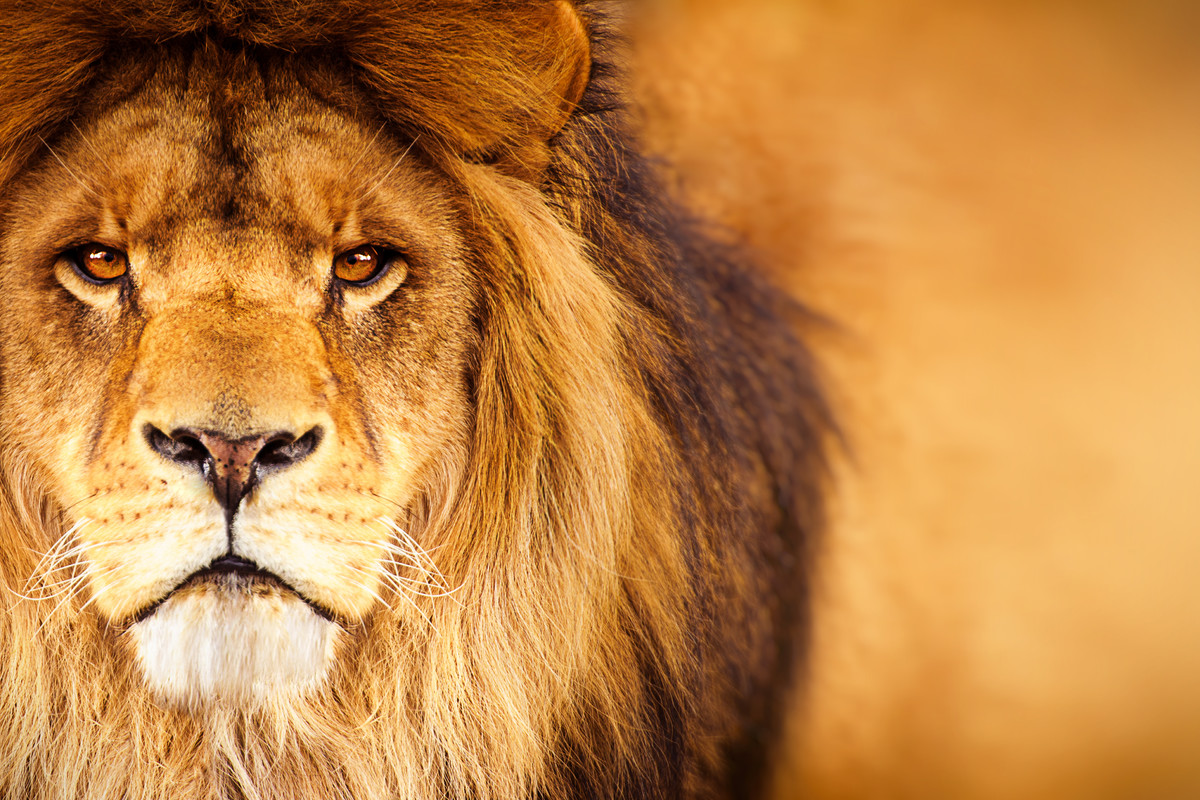
In the morning board your safari vehicle for game viewing within the park in search of its large lion prides and elephant herds. Drive through the baobab tree lined park and explore the silale swamp. Return to your lodge for lunch. In the afternoon drive north through the park and to the town of Makuyuni where you continue the journey through a scenic escarpment that brings you to your lodge, perched on the edge of the Rift Valley with stunning views over the distant Lake Manyara. Somewhere in the middle of the rolling grasslands of Tanzania, against the dramatic angles of the Rift Valley Escarpment and overlooking Lake Manyara stands Manyara Lakeview Oasis. The 600-meter-high golden Rift Valley Escarpment creates a crater on the edge of which the camp is located. Manyara Lakeview Oasis offers comfortable safari accommodations while remaining true to the natural element of the safari experience. The camp comprises ten canvas tented lodgings and sixteen self-contained cottages, all with private balconies overlooking the real Africa, majestic, unfiltered and unadorned. Overnight at Lake Manyara.
Hotel: Manyara Lakeview Oasis 3* (or similar) -
Day 4
Manyara - Serengeti
After a delicious breakfast, there is a game drive in Lake Manyara National Park. Return to the lodge for lunch. Afterwards, leaving Lake Manyara behind, the journey continues North West across the stunning hilly countryside of the highlands which is filled with wheat and coffee plantations, and then into the Ngorongoro Conservation Area. From here lie the vast plains of the Serengeti, where you begin spotting wildlife as you approach the entrance gate. Complete the formalities and enter the park with game viewing en route to the lodge. Arriving for dinner and check-in at Kati Kati Camp. A semi-permanent tented camp located in Central Serengeti strategically positioned to allow exploration of the vast Serengeti Plains. The camp offers comfortable accommodation and a unique opportunity to enjoy a true safari camp experience. There is a cosy mess tent isolated in the centre of the camp and here is where meals are served. The campfire is ready every evening for appetisers and snacks before dinner. The camp offers 15 tents with en suite facilities. Overnight at Serengeti.
Hotel: Serengeti Kati Kati Camp 3* (or similar) -
Day 5
Serengeti
In the morning, wake up to breakfast at the lodge and depart for your next adventure. The Serengeti National Park is famed for being home to millions of animals and the annual Great Migration of wildebeests, zebras and gazelles but the dramatic landscapes in which the wildlife prowls are themselves worthy of admiration during the morning and afternoon game drives, with a stop around midday to have lunch at the lodge. Riverine forests and woodlands, rocky outcrops called kopjes and volcanic grassland are just some of the backdrops in which the animals can be spotted during the game drives. With some luck, here you will see the Big Five: the lion, elephant, buffalo, leopard and rhinoceros. Birds and reptiles are also plentiful in the national park. In the evening, enjoy dinner at the camp. Overnight at Serengeti.
Hotel: Serengeti Kati Kati Camp 3* (or similar) -
Day 6
Serengeti - Ngorongoro
After breakfast depart for Ngorongoro viewing game across the vast Serengeti plains, stopping en route for your picnic lunch. Then, you continue your journey towards Ngorongoro, where you pass along the rim of the crater and descend to the park gate and your lodge located in Karatu surrounded by farmland and a view of the back wall of the crater. Tloma Lodge is a small and exclusive lodge situated on top of a valley overlooking a stunning landscape. Nestled in the Ngorongoro Highlands Area, the lodge offers splendid views of the coffee plantation. The garden is particularly attractive full of flowering plants and bushes with a heated outdoor pool. The lodge offers 34 spacious en-suite cottages built in the style of an old colonial farm. Overnight in Ngorongoro.
Hotel: Tloma Lodge 3* (or similar) -
Day 7
Ngorongoro
Have a delicious breakfast and depart to explore what is commonly referred to as the World’s largest natural wildlife arena. Descend with a picnic lunch through the early morning mists, going 2,000 feet into the crater. Ngorongoro Crater is the World’s largest intact volcanic caldera. Due to its size and diversity, the crater floor is comprised of several distinct areas, ranging from forest, swamps, lakes and springs, to open grassland and some sandy dunes. This area promises you a truly unique wildlife experience. Return to the lodge in the late afternoon and spend the rest of the day at leisure. In the evening, wrap the day up with dinner. Overnight in Ngorongoro.
Hotel: Tloma Lodge 3* (or similar) - Day 8 Ngorongoro - Kilimanjaro Depart after breakfast and head southeast past the highlands and the Karatu district, Lake Manyara and Mto wa Mbu Village. Through the highlands and the Karatu district, you’ll view the scenic wheat plains and coffee plantations here before journeying down the spectacular escarpment turning south onto the main road to Arusha. The journey will pass through the Maasai Steppe, filled with many picturesque African villages as well as maize, coffee and banana plantations. On arrival in Arusha, lunch is provided followed by a transfer to Kilimanjaro International Airport for your departure flight.
Included
- Operated with English-speaking local driver-guide throughout the tour (the assigned local driver-guide may change during the itinerary)
- French German Italian or Spanish driver-guide subject to availability (airport transfers will be operated with English-speaking drivers)
- 7 night’s accommodation
- 6 Breakfasts
- 7 Lunches
- 6 Dinners
- Arrival and departure transfer from/to Kilimanjaro International Airport
- 4×4 vehicle with a photo roof and guaranteed window seat during game drives and all transportation throughout the tour (maximum 6 persons per vehicle)
- All entrance fees and activities mentioned in the itinerary: game drive at Tarangire National Park (Day 3) game drive at Lake Manyara National Park (Day 4) game drive at Serengeti National Park (Day 5) game drive at Ngorongoro Crater (Day 7)
- Meet and greet
- All park fees and government taxes
- 1 bottle of mineral water (500ml) per person per day on game drives
- Filtered water will be provided (please bring your own reusable bottle)
Exclusions
- International or domestic flights
- Visas
- Drinks during meals (unless specified otherwise)
- Any visit not mentioned in the program
- Porterage and gratuities
- Expenditures of a personal nature drinks and meals or items not stated explicitly in the program
- Any alcoholic and non-alcoholic drinks mineral water camera/video camera fee (if any)
- Travel Insurance or any loss or extra cost arising due to unforeseen circumstances such as flight delays accidents etc.
TRAVELING IN TANZANIA
Tanzania is a country of breathtaking vastness—almost twice the size of France—where nature still reigns supreme. Endless savannas dotted with acacia trees and baobabs stretch as far as the eye can see, while mountains, volcanoes, and majestic lakes shape a landscape of rare power. Lake Victoria, Lake Tanganyika, and the dramatic formations of the African Rift Valley structure this spectacular territory, a true sanctuary for extraordinary wildlife. Elephants, lions, giraffes, zebras, and rhinoceroses still roam freely here—sometimes by the thousands, sometimes by the millions, as in the case of the great wildebeest migration.
A safari in Tanzania is not merely a geographical journey; it is a step outside of time. The national parks, fewer in number but far larger than those in neighboring Kenya, offer an overwhelming sense of open space. Animals are born, grow, and reproduce within preserved ecosystems, as if in a wild kingdom where humans are merely discreet visitors. Towering above it all is Mount Kilimanjaro, the majestic sentinel and highest peak in Africa, lending Tanzania an almost mythical dimension.
THE CITY OF ARUSHA
Located in the north of the country, Arusha is the essential starting point for most Tanzanian safaris. Nestled at an altitude of approximately 1,400 meters at the foot of Mount Meru, the city enjoys a pleasant climate year-round. Temperatures generally range between 13°C and 30°C, averaging around 25°C—ideal conditions before venturing into the national parks.
Arusha is a fast-growing, lively, and cosmopolitan city where travelers, guides, and locals mingle. Colorful markets filled with aromas and flavors reflect everyday life, while landmarks such as the Clock Tower—symbolically located halfway between Cairo and Cape Town—add to the city’s charm. The Sekei district, in the northwest, is known for its vibrant nightlife. For gemstone enthusiasts, Arusha is also the perfect place to purchase tanzanite, a rare blue-violet gem found exclusively in Tanzania. About 30 kilometers from the city, Arusha National Park offers a first glimpse of the country’s diverse landscapes and wildlife, with Mount Meru as a stunning backdrop.
KILIMANJARO
Rising to 5,891.8 meters, Mount Kilimanjaro is Africa’s highest peak and one of the world’s most iconic volcanoes. Located in northeastern Tanzania near the Kenyan border, it consists of three distinct volcanic cones: Shira, Mawenzi, and Kibo, the latter being home to the summit. The town of Moshi serves as the main starting point for ascents and welcomes travelers from around the globe each year.
Climbing Kilimanjaro is an accessible yet demanding challenge that crosses several climate zones—from tropical rainforest to alpine landscapes, and finally to the eternal snows at the summit. The Marangu and Machame routes are the most popular, each offering a different but equally unforgettable experience.
TARANGIRE NATIONAL PARK
Established in 1970, Tarangire National Park is now considered one of Tanzania’s most beautiful wildlife refuges. Covering 2,600 km², it takes its name from the Tarangire River, which flows through the park from south to north and serves as a vital water source for wildlife, especially during the dry season.
The landscape is dominated by massive baobab trees—iconic silhouettes often marked by the presence of elephants seeking food and shelter. Tarangire is home to one of the largest elephant populations in the country, as well as a rich variety of wildlife, including rare antelope species such as the oryx and the gerenuk. The best period for wildlife viewing generally runs from mid-July to mid-February, though even during the green season, when the landscape bursts into color, the park remains highly rewarding.
LAKE MANYARA NATIONAL PARK
Lake Manyara National Park lies at the base of the Rift Valley escarpment, offering striking contrasts between rocky cliffs, lush forests, and expansive lakeshore scenery. Much of the park’s surface is occupied by the lake itself, whose waters attract an extraordinary diversity of birdlife.
Often considered an ideal introduction to Tanzanian wildlife, Manyara is home to elephants, giraffes, buffaloes, and hippos. However, it is particularly renowned for its birdlife, with over 400 recorded species. The dry season is best for observing large mammals, while the wet season reveals the park’s full ornithological richness and vibrant green landscapes.
THE KARATU REGION
The Karatu region charms visitors with its gentle scenery and fertile agricultural lands. Rich red soils support coffee plantations and lush tropical vegetation, creating a colorful and inviting environment. Thanks to its proximity to the Ngorongoro Crater and its wide range of lodges and hotels, Karatu is an excellent alternative base for accommodation.
The town of Karatu itself is lively and authentic. Its market is a key meeting place where locals, traders, and members of the Maasai community gather with their herds. It is an ideal spot to experience local life and purchase handcrafted souvenirs such as wood carvings, paintings, and vibrant textiles.
NGORONGORO CONSERVATION AREA
Established in 1959, the Ngorongoro Conservation Area spans nearly 8,300 km² and is one of Africa’s most remarkable natural sites. Listed as a UNESCO World Heritage Site and recognized as a biosphere reserve, it encompasses a mosaic of landscapes ranging from open grasslands to volcanic highlands.
This area is unique in allowing the coexistence of wildlife and traditional human populations, including the Maasai, Datoga, and Hadzabe peoples. While best known for its crater, the region also contains major archaeological sites and plays a key role in the Great Migration of wildebeest, visible between December and April, with calving season occurring early in the year.
NGORONGORO CRATER
A true jewel of Tanzanian safaris, the Ngorongoro Crater is the largest intact volcanic caldera in the world. Measuring over 19 kilometers in diameter and 610 meters deep, it forms a closed ecosystem of exceptional richness. Within this vast natural amphitheater live thousands of animals, offering unparalleled wildlife viewing opportunities.
The crater is one of the last strongholds of the black rhinoceros in northern Tanzania. It also supports an impressive density of predators, including one of Africa’s largest lion populations. Older male elephants are frequently seen here as well, often spending their later years in the crater’s marshy areas.
SERENGETI NATIONAL PARK
The Serengeti is undoubtedly Tanzania’s most iconic park and one of the most famous in the world. Each year, it hosts the Great Migration, as millions of wildebeest, zebras, and gazelles traverse the plains in search of fresh grazing lands. Yet even outside this period, the Serengeti offers a constant and awe-inspiring spectacle.
Covering nearly 14,800 km², the park features an extraordinary diversity of landscapes and habitats. Vast herds of buffalo, elephants, giraffes, and countless antelope species roam the plains, alongside a more discreet yet fascinating world of insects and birds. Predators—lions, cheetahs, and leopards—reign supreme here, providing unforgettable scenes of raw wildlife.
THE CITY OF MWANZA
Mwanza is Tanzania’s main port on Lake Victoria and an important economic center in the west of the country. It serves as an excellent base for exploring the western Serengeti and Rubondo Island National Park. Less frequented than other regions, this area offers a more secluded Serengeti experience, away from the crowds.
Mwanza is also the heart of Sukuma culture, the largest ethnic group in Tanzania. Cultural visits to surrounding villages provide a unique opportunity to discover ancestral traditions related to cattle herding and rural life.
RUBONDO ISLAND
Rubondo Island National Park, located on Lake Victoria, is a haven of peace and biodiversity. It is home to a wide variety of birds and butterflies, as well as rare species such as the sitatunga, an endangered semi-aquatic antelope. The park is also known for its population of chimpanzees, which are still only lightly habituated to human presence.
Rubondo offers a different safari atmosphere—one focused on tranquility and contemplation—with opportunities for walking safaris, lake excursions, and relaxing moments by the water.
LAKE EYASI
Lake Eyasi is an endorheic salt lake located northwest of the Ngorongoro Highlands. Shallow in depth, it attracts a wide variety of water birds, including flamingos, pelicans, and spoonbills. The lake’s shores are home to the Hadzabe people, one of the last hunter-gatherer communities in East Africa, offering a rare and meaningful cultural immersion.
ZANZIBAR
About 40 kilometers off Tanzania’s coast, the Zanzibar Archipelago floats in the Indian Ocean like a promise of escape. Comprising approximately 75 islands, it is dominated by Unguja—commonly referred to as Zanzibar—along with Pemba and Mafia. Predominantly Muslim, the population lives according to the rhythm of the dry and rainy seasons.
Zanzibar is renowned for its white-sand beaches, turquoise waters, and rich historical heritage shaped by exchanges between Africa, Arabia, India, and Europe. Clove plantations, coconut palms, and rice fields have long influenced the local economy and continue to define the archipelago’s identity.
TANZANIAN CUISINE
Tanzanian cuisine reflects the country’s cultural diversity. African flavors blend with Indian, Arab, and Persian influences to create a simple yet generous gastronomy. Ugali, a staple made from maize or cassava flour, is commonly served with meat, vegetables, or fish. Pilau—spiced rice—is also very popular, especially along the coast and near major lakes.
Local beverages such as strong tea and Tanzanian beer often accompany meals, while locally produced coffee is gaining popularity. It is recommended to drink only bottled water and avoid ice.
MONEY, TIPPING, AND PRACTICAL INFORMATION
The local currency is the Tanzanian shilling, but U.S. dollars and euros are widely accepted, particularly in lodges and tourist establishments. Credit card use remains limited, and transaction fees can be high. Tipping is not mandatory, but it is an important part of service culture and represents a significant source of income for many tourism workers.
RELIGION AND LANGUAGES
Tanzania is a multi-faith country where Islam and Christianity coexist in a generally tolerant atmosphere. Swahili is the national language and is spoken throughout the country, while English is widely used in the tourism sector.
Name: Simba Safari
Brand: tripcentral tours
Quality: First Class
Tour Type: Wildlife
Start City: Kilimanjaro
End City: Kilimanjaro
Vacation Overview: