There's a reason the Spanish call it the Coast of the Sun. Stretching 150 kilometres along the southern tip of Andalusia between the Atlantic and the Mediterranean, the Costa del Sol averages more than 300 days of sunshine per year — a statistic that sounds like marketing until you arrive in January and find yourself eating lunch on a terrace in 20-degree warmth while the rest of Europe is in its winter coat.
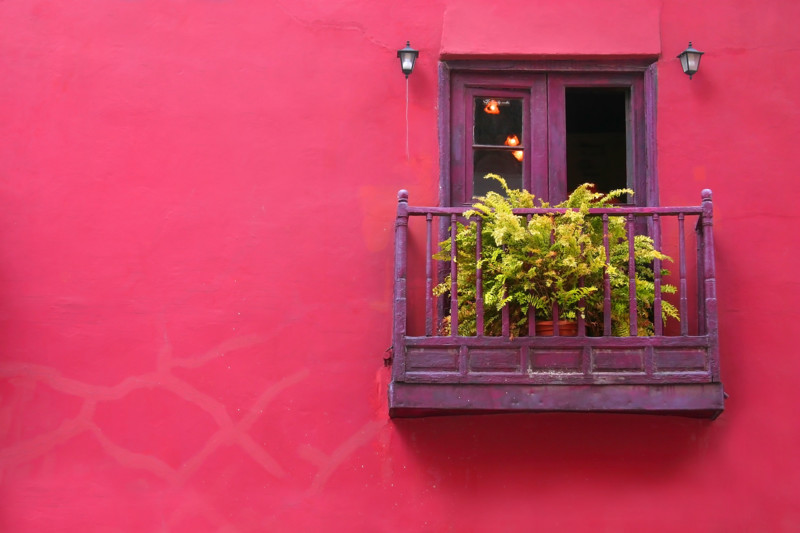
But the Costa del Sol is more than reliable sunshine. It is flamenco in a whitewashed village square. It is the smell of espetos — sardines grilled on a beachside spit over an open fire — drifting from a chiringuito at noon. It is the old town of Málaga, where Picasso was born and where a quietly transformed city now has some of the finest museums and restaurant terraces in southern Spain. It is the glamour of Marbella's Puerto Banús marina at sunset, and the windswept peace of a hilltop pueblo blanco — a whitewashed village — just twenty minutes inland where the tourists rarely venture and time moves differently.
This is one of Europe's most enduringly popular destinations, and it earns that status every day.
When to Go
The Costa del Sol's greatest asset is its year-round appeal. With an average of over 300 sunny days annually and temperatures that rarely drop below 15°C even in the depths of winter, it is one of the few European destinations that genuinely works in any month of the year.
May, June and September are the sweet spot for most travellers. Temperatures sit between 22 and 28°C — warm enough to swim comfortably and spend full days on the beach, but without the intensity of midsummer. The sea reaches very comfortable swimming temperatures from June onward. Resort towns are lively but not overwhelmed, and the restaurants, beach clubs and boat excursions are all operating fully. June and September in particular offer excellent value alongside near-perfect conditions.
July and August are peak season — the Costa del Sol at its most energetic, crowded and expensive. Beach clubs are packed, the nightlife runs late, and temperatures regularly hit 30–35°C inland (slightly cooler on the coast thanks to sea breezes). If this is your preferred window, book accommodation and restaurants well in advance. The atmosphere is electric and the coast is at its most vibrant, but the experience is a different one from the quieter shoulder months.
October and November extend the season beautifully. October is arguably one of the best months on the coast — temperatures in the mid-20s°C, the sea still very warm from the summer, and a palpable ease returning to the towns and villages as the summer visitors depart. November brings the first cooler days, but temperatures remain mild and most attractions and restaurants stay open.
December through March is the coast's best-kept secret. Daytime temperatures between 15 and 20°C make it ideal for golf, hiking in the nearby Serranía de Ronda mountains, exploring Málaga's museums and old town, and long lunches in the winter sunshine. The coast is quiet and affordable, and the light — sharp and clear in the Andalusian winter — is beautiful. This is when you see the Costa del Sol as the Andalusians themselves enjoy it.
Typical weather at a glance:
- January–March: 15–18°C, sunny with occasional rain. Very mild, excellent for sightseeing and golf.
- April–May: 18–24°C, warming steadily. Ideal for walking, beach days and cultural visits.
- June–August: 26–35°C, almost no rain. Full beach season, warm sea, long evenings.
- September–October: 22–28°C, sea at its warmest. Excellent conditions, fewer crowds.
- November–December: 16–20°C, mild and mostly sunny. Quiet, affordable, atmospheric.
Where to Stay
The Costa del Sol stretches from Nerja in the east to Manilva in the west, with each section of coast having its own distinct character. Choosing the right base makes a significant difference to the experience.
Málaga
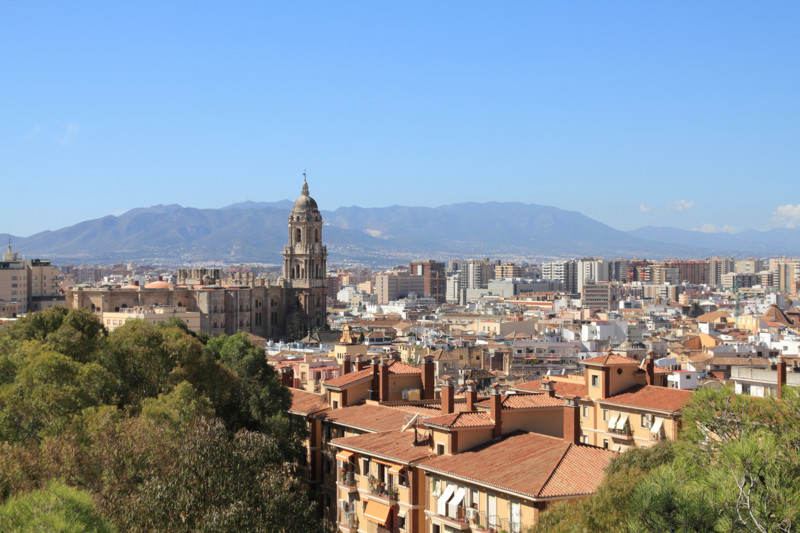
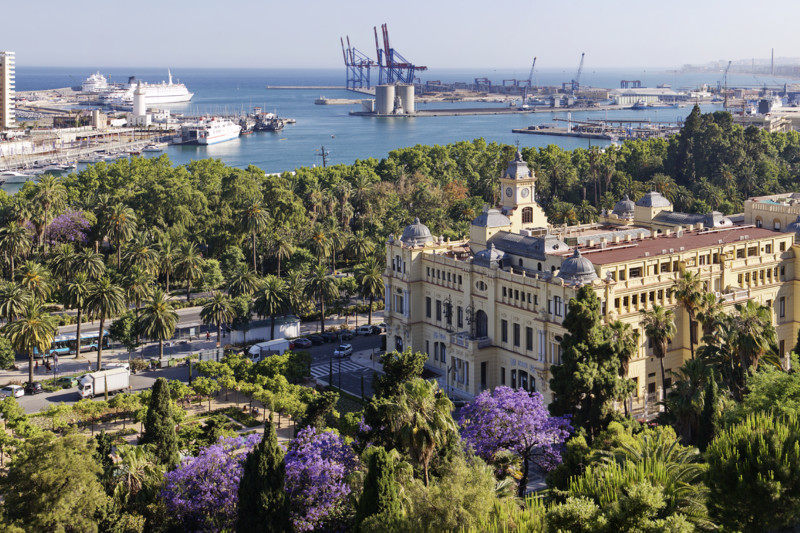
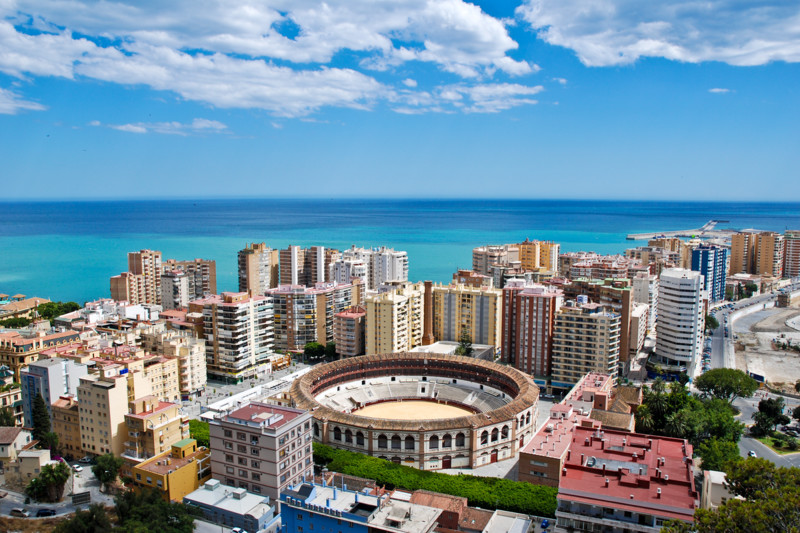
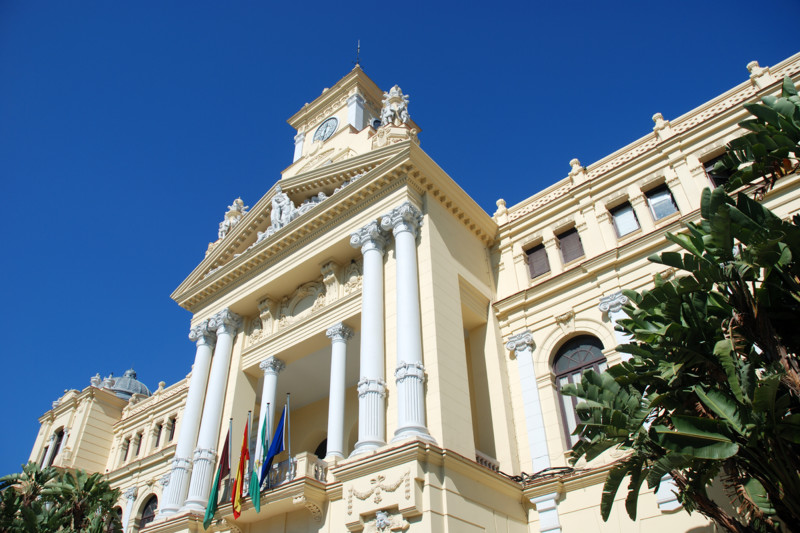
The Costa del Sol's capital city is the most culturally rich base on the coast and one of the most rewarding cities in Andalusia. The historic centre — compact, walkable and filled with tapas bars, independent boutiques and terrace restaurants — has been transformed over the past two decades into one of southern Spain's most enjoyable urban destinations. The Picasso Museum, housed in the Renaissance Palacio de Buenavista where the artist was born, is the city's centrepiece and one of the finest art museums in Spain. The Alcazaba, a Moorish fortress rising above the city, offers panoramic views across the port and the coast. The Carmen Thyssen Museum, the Centre Pompidou Málaga and the Russian Museum round out a cultural offering that no other town on the coast can match. And the Malagueta beach, just east of the city centre, is a proper urban beach with excellent chiringuitos and the city's skyline behind it. Málaga is ideal for travellers who want a mix of culture, excellent food and beach access — and it has the best transport connections on the coast, with an international airport, high-speed rail connections to Madrid and Seville, and easy access to the rest of the coast by train or bus.
Marbella
The most glamorous address on the Costa del Sol, Marbella has been a playground for European royalty, film stars and the international wealthy since the 1950s, and it wears that heritage lightly. The old town — a maze of whitewashed lanes and flower-filled plazas behind the modern resort — is genuinely charming, particularly the Plaza de los Naranjos (Orange Tree Square), where the outdoor restaurants have been serving lunch under the orange trees for generations. Puerto Banús, five kilometres to the west, is the yacht marina that became an international symbol of Mediterranean glamour: designer boutiques, waterfront restaurants and the parade of boats that constitutes its own entertainment. Beyond the luxury surface, Marbella has excellent beaches, a serious golf scene (the surrounding area has over 70 golf courses, earning the region the nickname the Costa del Golf), and some of the best restaurants on the coast. It is the most expensive base option but also the most polished.
Nerja
At the eastern end of the Costa del Sol, where the coast begins to climb toward the dramatic landscapes of the Axarquía, Nerja is the most atmospheric of the smaller resort towns. The Balcón de Europa — a palm-lined promenade on a promontory above the sea, where King Alfonso XII once stood and declared it the balcony of Europe — is one of the most beautiful viewpoints on the Spanish coast. Below it, a series of small coves and beaches (Burriana beach is the largest and best equipped) offer excellent swimming in water that is sheltered and clear. The town itself has a pleasant historic centre, good local restaurants and a relaxed pace that distinguishes it from the larger, busier resorts to the west. The famous Nerja Caves — a vast cave system discovered in 1959, containing prehistoric paintings and extraordinary geological formations — are a short drive from town and one of the most visited natural attractions in Andalusia. Nerja suits travellers who want a quieter, more authentic Costa del Sol experience without sacrificing access to beaches and good food.
Torremolinos and Benalmádena
The original package holiday resorts of the Costa del Sol, Torremolinos and neighbouring Benalmádena have reinvented themselves over the decades into lively, affordable and genuinely enjoyable destinations that offer the full beach-holiday experience at good value. Torremolinos has a long sandy beach, a compact pedestrian old town centred on the Calle San Miguel and some of the most reliably good seafood restaurants on the coast — the Bajondillo and La Carihuela areas are particularly known for their fish restaurants. Benalmádena has the added attraction of its marina (one of the most beautiful on the coast), a cable car to the top of the Sierra de Mijas with extraordinary views, and easy access to Málaga by suburban train. Both towns are family-friendly, well-connected and excellent value for longer stays.
Estepona
Often overlooked in favour of its more famous neighbour Marbella, Estepona has quietly become one of the most appealing towns on the western Costa del Sol. The old town has been beautifully restored over the past decade — lanes planted with flowers, murals covering the white walls, local shops and restaurants opening onto small plazas — and the result is one of the most characterful historic centres on the coast. The beach is long, uncrowded and backed by a pleasant promenade. The orchid house, the bullring museum, the lighthouse walk and the weekly market add further texture. Estepona offers the quality of the western Costa del Sol without Marbella's prices, and it's an excellent base for exploring both the coast and the pueblos blancos inland.
Things to Do:
Beach life and water sports
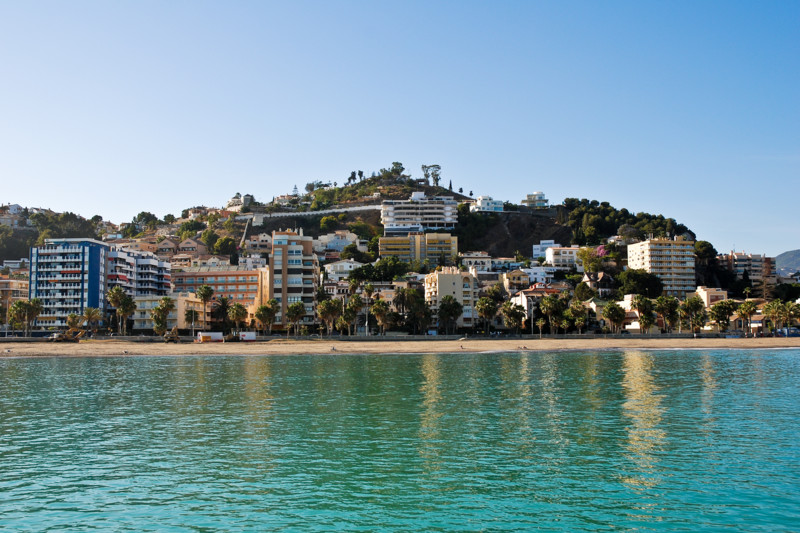
The Costa del Sol's beaches range from wide, sandy strips backed by beach clubs and chiringuitos to quieter coves tucked between rocky headlands. The chiringuito culture — beach bars serving espetos (grilled sardines), cold beer, fried fish and fresh seafood — is one of the defining pleasures of the coast, and no visit is complete without at least one long beach lunch. Water sports (paddleboarding, kayaking, jet skiing, parasailing, sailing and scuba diving) are available at all the main resorts. The warm, clear waters off Nerja and the western coast are particularly good for snorkelling and diving.
Golf
The Costa del Sol has earned its secondary name — the Costa del Golf — with more than 70 courses concentrated between Marbella and Estepona. The courses range from municipal layouts to championship venues that have hosted European Tour events. The mild winter climate makes it a year-round golf destination, and November through April sees the fairways fill with players escaping the cold north. Most major resorts offer golf packages in combination with accommodation.
The pueblos blancos
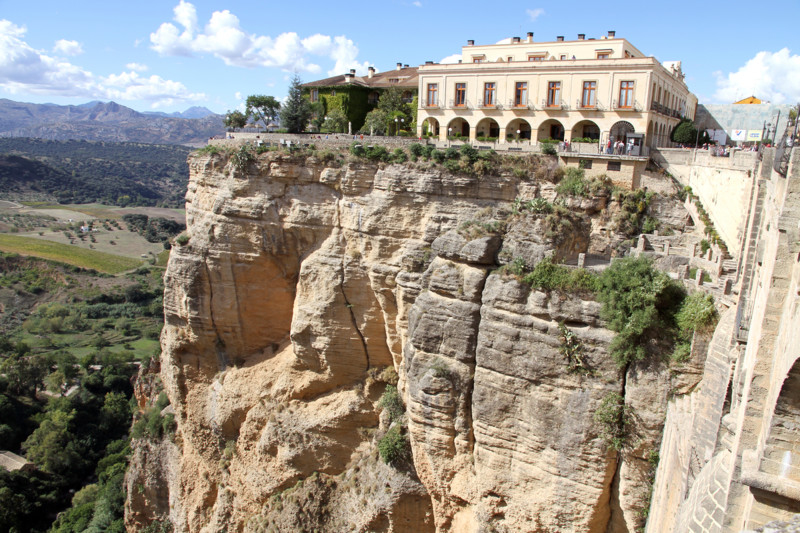
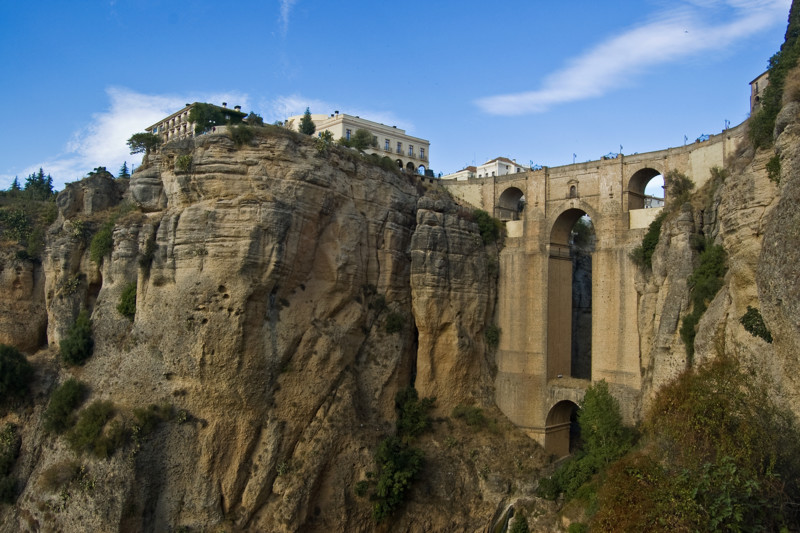
The white villages of the Serranía de Ronda and the hills behind the coast are among the most beautiful in Andalusia and among the most overlooked by visitors who stay at sea level. Ronda — a hilltop city of dramatic cliff-edge beauty, bisected by the El Tajo gorge and crossed by one of the most photographed bridges in Spain — is the most celebrated, about an hour's drive from Marbella or Málaga. Casares, Mijas, Frigiliana and Comares are smaller, quieter and even more perfectly preserved examples of the whitewashed Andalusian village tradition. A day trip into the hills rewards handsomely.
Málaga city
Whether you're based in Málaga or visiting from elsewhere on the coast, the city deserves a full day at minimum. The Picasso Museum, the Alcazaba fortress, the Roman Theatre (discovered directly below the Alcazaba in the 1950s), the cathedral, the covered Atarazanas market and the tapas bars of the Calle Marqués de Larios together make for one of the most rewarding urban days in southern Spain. End the afternoon at a terrace bar in the historic centre and stay for dinner — Málaga's restaurant scene, focused on excellent local seafood and Andalusian cuisine, is one of the best on the coast.
Day trips
The Costa del Sol's location in southern Andalusia puts several extraordinary destinations within easy reach. Seville — the flamenco capital of Spain, with its extraordinary Gothic cathedral, the Alcázar palace and the neighbourhood of Triana — is about two hours by road or high-speed train. Granada and the Alhambra Palace, the most visited monument in Spain, is under two hours by road; book tickets to the Alhambra months in advance. Gibraltar, at the western tip of the coast, is an extraordinary geopolitical curiosity — a British Overseas Territory at the southern tip of Europe, with its famous Rock, its colony of Barbary macaques and its duty-free shopping. And the ferry crossing from Tarifa (westernmost point of continental Europe) to Tangier in Morocco can be done as a day trip — one of the most remarkable day excursions available from anywhere in Europe.
Food and flamenco
Andalusian cuisine is among the most distinctive in Spain: cold gazpacho and salmorejo in summer, slow-cooked rabo de toro (oxtail), fried fish (pescaíto frito) eaten in paper cones, jamón from the mountain towns of the interior and the extraordinarily good local olive oil that goes on everything. Sherry — fino, manzanilla, amontillado — is the local wine of Andalusia and one of the world's great underappreciated drinks; a cold glass of fino with fresh anchovies is a combination that defines the region. Flamenco shows are available throughout the coast and in Málaga; for the most authentic experience, seek out a peña flamenca (a private flamenco club) rather than a restaurant show.
Getting There and Around
Málaga–Costa del Sol Airport (AGP) is one of the busiest and best-connected airports in Spain, with direct flights from Canada via European hubs and a large number of connections throughout the year. The airport is directly connected to Málaga city centre and the western Costa del Sol by suburban train and taxi, making transfers to any resort town straightforward.
Once on the coast, a rental car gives the greatest flexibility — particularly for exploring the pueblos blancos, making day trips to Seville and Granada, and moving freely between resort towns. The suburban train (Cercanías) connects Málaga with Torremolinos, Benalmádena and Fuengirola quickly and cheaply. Buses connect most towns along the coast.
Return flights from Canada, accommodation and transfers are included across our Costa del Sol packages. Contact us at 1-800-665-4981 for current departure dates, gateway cities and availability.