Iceland is one of the most extraordinary places on earth, and from Canada it is more accessible than most travellers expect. Sitting just south of the Arctic Circle in the North Atlantic, Iceland is closer to Halifax than London is to Moscow — and the flight from Toronto is under six hours. The country packs an almost implausible concentration of natural wonders into a relatively small area: active volcanoes and ancient glaciers, geothermal hot springs and black sand beaches, towering waterfalls, the midnight sun of summer and the Northern Lights of winter. It is a destination that genuinely changes how you see the natural world.
Our Iceland packages from Canada include return flights, hotel accommodation, daily breakfast and airport-to-hotel transfers on most itineraries. Travellers who want to go further than the capital and the classic day trips will find our Fly & Drive packages the best option: these replace the transfer with a rental car included in the package, giving you the freedom to drive the Ring Road and explore the country’s more remote regions at your own pace.
Departure airports: Icelandair operates nonstop service to Reykjavik Keflavik Airport (KEF) from Toronto (YYZ), Halifax (YHZ) and Vancouver (YVR), with flight times of approximately 5.5 to 6.5 hours from the east coast. Connecting service is available from other major Canadian cities. Keflavik Airport is located approximately 50 kilometres southwest of Reykjavik; transfers to the city take around 45 minutes by coach or shuttle.
Getting around Iceland
How you get around Iceland shapes the entire trip. The country has one main road — the Ring Road (Route 1) — which circles the island for approximately 1,332 kilometres, passing through or near most of the major natural attractions. Beyond the Ring Road, a network of highland and coastal routes opens up more remote and dramatic landscapes, some of which require a four-wheel-drive vehicle.
For travellers staying primarily in and around Reykjavik and the Golden Circle (the classic day-trip circuit covering Þingvellir National Park, the Geysir geothermal area and Gullfoss waterfall), guided day excursions from the city are efficient and easy to arrange. For travellers who want to go beyond these, a rental car is the most practical option and is included in our Fly & Drive packages. Roads in Iceland are well-maintained and clearly signed, and driving yourself gives you the flexibility to stop where the light is right, linger at a waterfall and reach places no day tour gets to. An SUV or 4x4 is recommended for travellers planning to explore highland routes or visit the Westfjords.
Where to stay
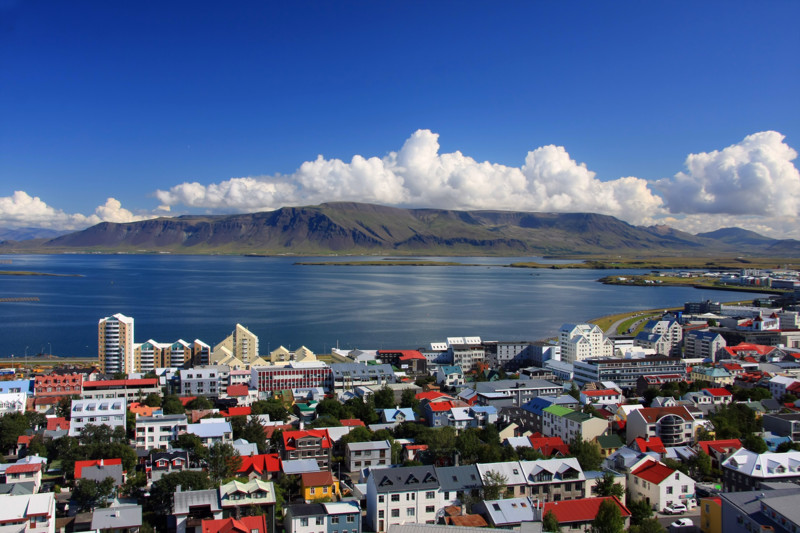
- Reykjavik: the capital is home to roughly two-thirds of Iceland’s population and the natural base for most visitors. It is a compact, walkable city with a concentration of restaurants, galleries, museums and geothermal swimming pools that punch well above its size. The city centre around
- The Golden Circle region: several well-positioned hotels and guesthouses sit within or near the Golden Circle, making it possible to base yourself outside the capital and reach the main natural attractions without a long daily drive from Reykjavik. Good for travellers who want a quieter, more rural base.
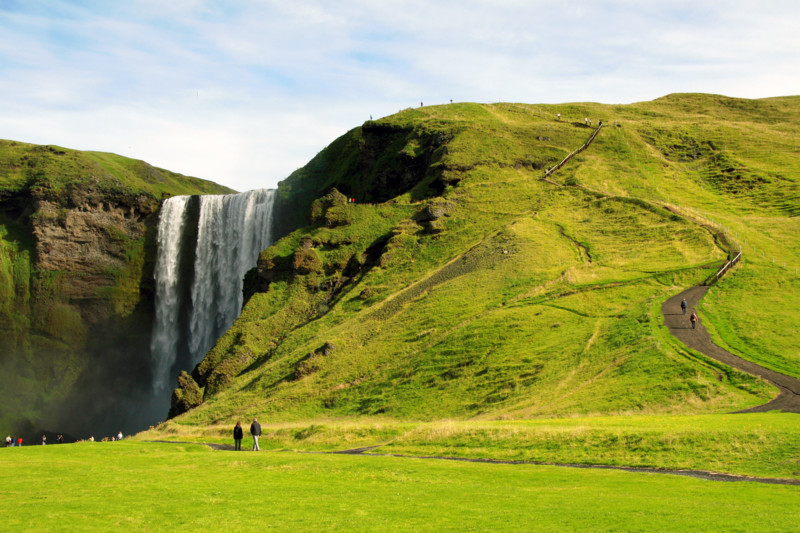
- The South Coast: the stretch of coast east of Reykjavik towards Vik is one of Iceland’s most scenically dense regions, with Seljalandsfoss and Skógafoss waterfalls, the black sand beaches of Reynisfjara, and Vatnajökull glacier within reach. Small hotels and guesthouses along this route are ideal for Fly & Drive travellers covering the Ring Road.
- Akureyri: the largest town outside Reykjavik, in the north of the country, and a good base for exploring the Trollaskagi Peninsula, the whale-watching waters of Eyjafjorður and the geothermal areas of Myvatn. Well-suited to travellers doing a full Ring Road circuit.
- The Snæfellsnes Peninsula: a dramatic finger of land northwest of Reykjavik dominated by the Snæfellsjökull glacier-capped volcano (the setting of Jules Verne’s Journey to the Centre of the Earth). A rewarding two-to-three-night base for Fly & Drive travellers who want to see a quieter, less-visited part of Iceland.
Attractions and natural wonders
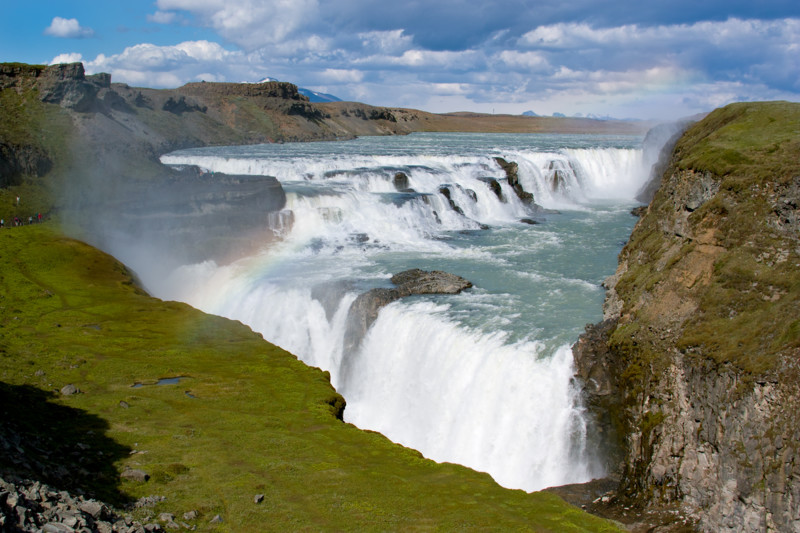
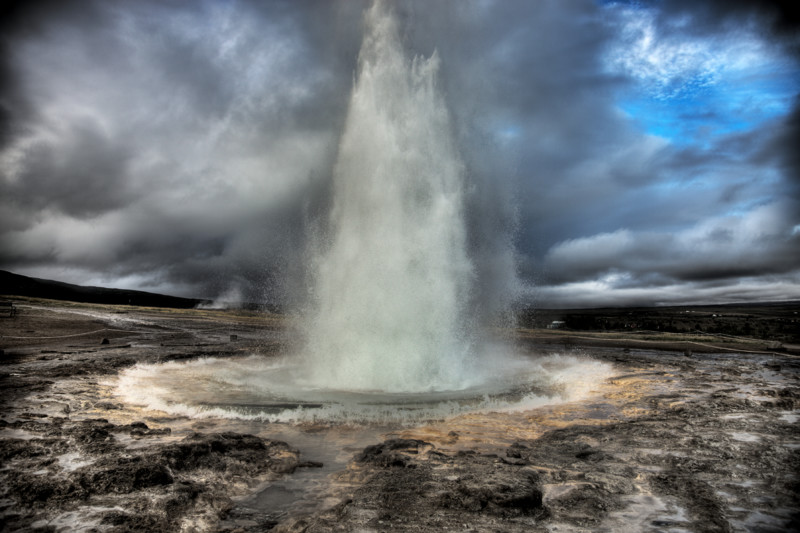
- The Golden Circle: Iceland’s most popular day-trip circuit from Reykjavik: Þingvellir National Park (where the North American and Eurasian tectonic plates meet at the surface), the Geysir geothermal area (including Strokkur, which erupts every five to ten minutes), and Gullfoss, a two-tiered waterfall of dramatic scale. Easily covered as a guided day trip or self-drive.
- The Northern Lights (Aurora Borealis): visible from Iceland between September and March, with peak viewing in the darkest months of November through February. Aurora activity requires clear skies and darkness; staying outside the city greatly improves your chances. Many itineraries are timed around the Northern Lights season.
- The Midnight Sun: between May and August, Iceland experiences continuous or near-continuous daylight. The summer solstice around June 21st brings approximately 24 hours of daylight in Reykjavik. The effect on the landscape — golden evening light that never fades — is extraordinary and unlike anything available in mainland Europe.
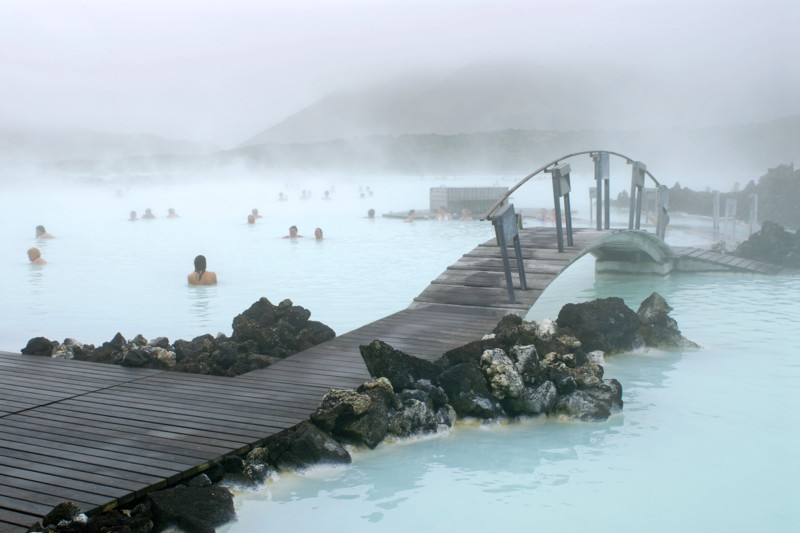
- The Blue Lagoon: the country’s most famous geothermal spa, located near Keflavik Airport and conveniently visited on arrival or departure. The milky-blue, mineral-rich water sits at around 38°C and is one of the most distinctive bathing experiences in the world. Advance booking is essential.
- South Coast waterfalls and beaches: Seljalandsfoss (which can be walked behind), Skógafoss and the black volcanic sand beaches of Reynisfjara — with its basalt column sea stacks and powerful surf — are among the most photographed natural sites in Iceland.
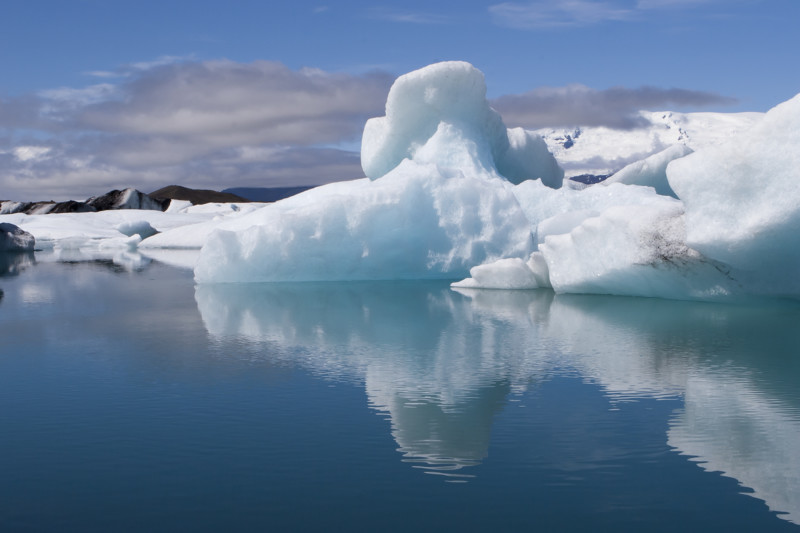
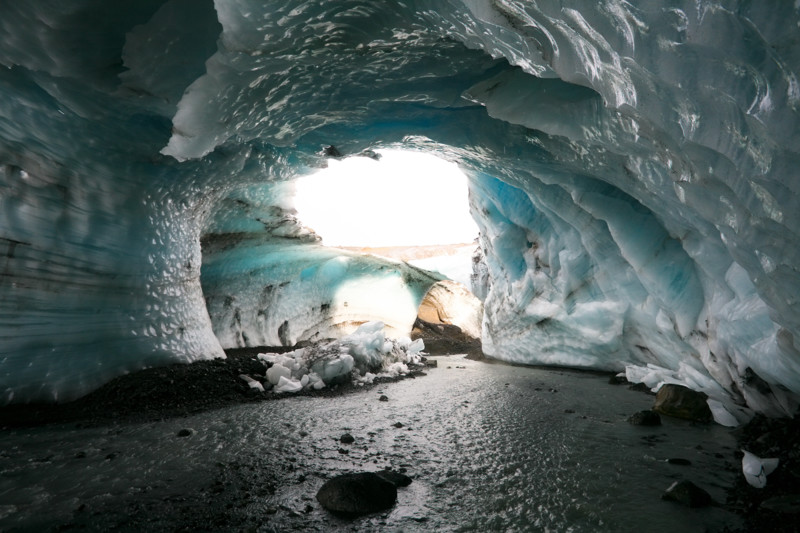
- Glacier walks and ice caves: Vatnajökull, Europe’s largest glacier, and the smaller Snæfells glacier offer guided glacier walks and, in winter, access to ice caves of extraordinary blue-green colour. A genuinely once-in-a-lifetime experience best suited to physically active travellers.
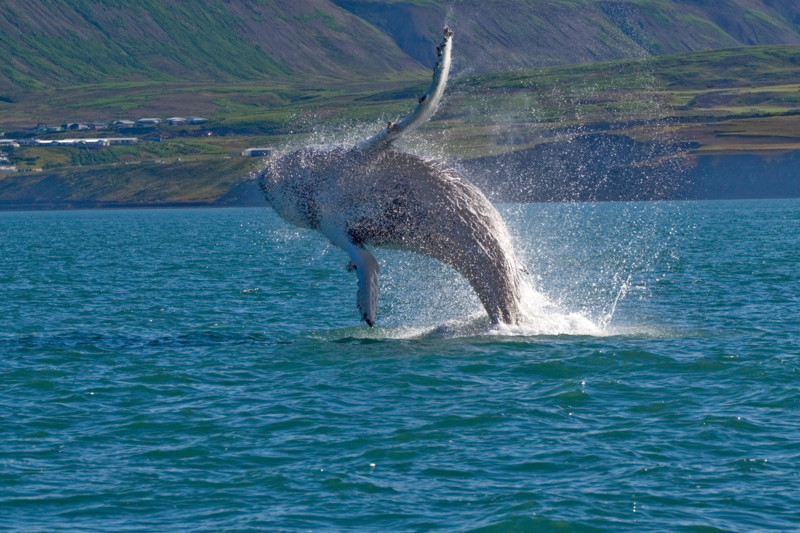
- Whale watching: Husavik on the north coast is widely regarded as the whale watching capital of Europe, with humpback, minke and blue whales regularly sighted in season (May to September). Reykjavik also offers whale watching tours from the Old Harbour.
- Reykjavik city: the world’s most northerly capital is small enough to cover on foot in a couple of hours but has a genuine cultural life: the Hallgrímskirkja church, the Harpa concert hall, the National Museum, the Settlement Exhibition (built around an actual 10th-century Viking longhouse), and a restaurant and bar scene that has evolved dramatically in the past decade.
Best time to visit and typical weather
Iceland is a genuinely year-round destination with two very distinct seasons — and the best time to visit depends entirely on what you want to experience.
- Summer (June to August): the most popular travel window, with mild temperatures of 10 to 15°C, long days and the midnight sun. The landscape is green, the Highland roads are open, and virtually all attractions and tour operators are running full schedules. July and August are the busiest months; June is a strong choice for slightly thinner crowds and the same long-day conditions.
- Shoulder season — spring and fall (April to May / September to October): the best compromise between weather, crowd levels and cost. Temperatures of 5 to 12°C, meaningful daylight hours, and in September and October the first real chances of seeing the Northern Lights. Late September and October see the most dramatic autumn light. April and May bring wildflowers and the return of migratory birds.
- Winter (November to March): the Northern Lights season. Temperatures average 0 to 4°C in Reykjavik — cold but manageable, and significantly warmer than a Canadian winter. Days are short (four to five hours of daylight in December) but the combination of snow-covered landscapes, ice caves, geothermal pools and aurora hunting makes winter one of the most atmospheric times to visit. Indoor comforts — the hot pots, the restaurants, the museums — are all the more appealing in the dark months.
Typical temperatures:
- January to March: −2 to 4°C. Short days, best Northern Lights window, ice caves open.
- April to May: 4 to 10°C. Days lengthening fast, spring landscapes, moderate crowds.
- June to August: 10 to 15°C. Midnight sun, Highland roads open, peak season.
- September to October: 5 to 12°C. Northern Lights begin, fall colours, shoulder-season pricing.
- November to December: 0 to 5°C. Dark and atmospheric, best aurora conditions, festive Reykjavik in December.
Not sure whether a city-based package or a Fly & Drive itinerary is the right choice, or which time of year suits what you want to see? Speak with one of our agents who has been to Iceland and can help you navigate the options. Call us at 1-800-665-4981.