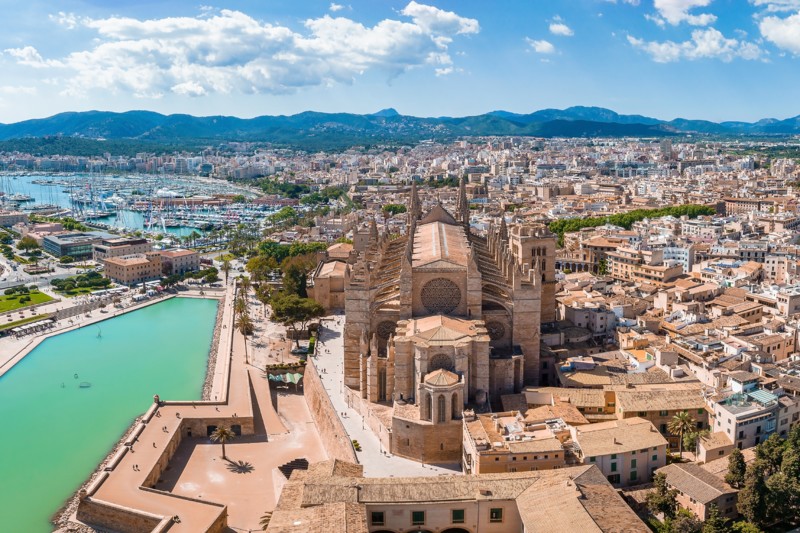
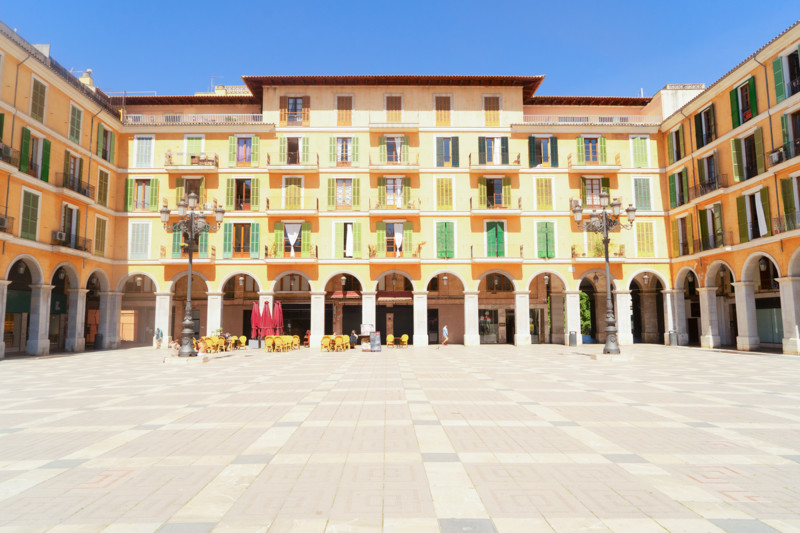
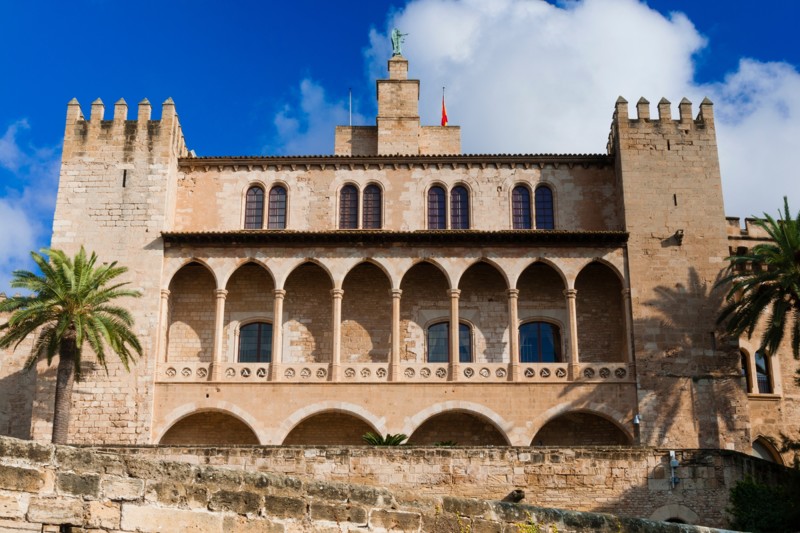
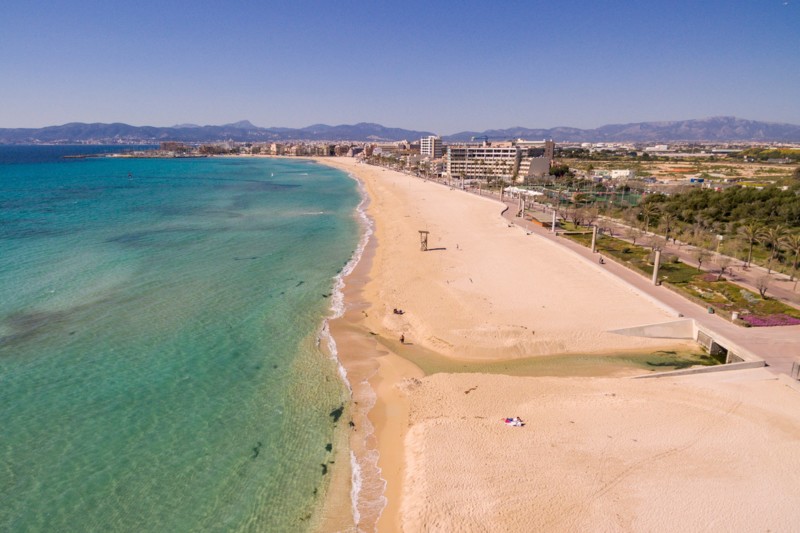
There are island capitals, and then there is Palma. A city of Gothic cathedrals and Renaissance palaces, of harbours lined with sailing boats and terrace restaurants where the evenings stretch long and easy, of narrow old-town lanes that open suddenly onto sunlit plazas where the locals have been gathering for centuries. Mallorca's capital is one of the Mediterranean's most rewarding cities — cultured, beautiful, unhurried and possessed of a quality of light that painters and poets have been trying to capture for generations.
Beyond the city, the island delivers everything the Mediterranean promises and then some: the dramatic limestone peaks of the Serra de Tramuntana, a UNESCO World Heritage Site; coves of startling turquoise clarity tucked between pine-covered cliffs; hilltop villages where the main activity is sitting in the shade with a coffee and watching the light change; and a food scene that has quietly become one of the best in Spain.
When to Go
- May, June and September are the finest months for most travellers. Temperatures sit between 22 and 28°C, the sea is warm and clear, and the island feels lively without being overwhelmed. June and September in particular offer near-perfect conditions — full sunshine, comfortable heat and the restaurants, boat trips and beach clubs all operating at their best.
- July and August are peak season — hot (regularly 30–33°C), busy and more expensive, but Mallorca at its most festive and energetic. The island handles summer crowds better than most Mediterranean destinations, and the beaches, nightlife and sailing scene are all at their most vibrant. Book accommodation well in advance.
- April and October are excellent for those who prefer quieter conditions. Temperatures of 18–23°C make walking, cycling and sightseeing very comfortable, and many parts of the island feel genuinely peaceful. The almond blossom that covers the interior in late January and February is one of the most beautiful natural spectacles in the Balearics — worth the trip on its own for those unbothered by cooler temperatures.
- November through March is quiet and mild by northern European standards — typically 12–17°C, with sunshine between occasional winter showers. Palma itself remains fully alive year-round, and the island's hiking and cycling are arguably best in the cooler months.
Typical weather: Jan–Mar 12–17°C · Apr–May 18–24°C · Jun–Aug 26–33°C · Sep–Oct 20–26°C · Nov–Dec 13–18°C
Where to Stay
Palma Old Town (Casc Antic) is the most atmospheric base on the island — a dense, walkable neighbourhood of Gothic architecture, Renaissance courtyards, independent boutiques and excellent restaurants. Staying here puts the cathedral, the Arab Baths, the best tapas bars and the waterfront all within easy walking distance. Boutique hotels occupy beautifully restored historic buildings throughout the old town, many with interior courtyards and rooftop terraces. The ideal base for those who want culture, food and city life alongside easy access to the rest of the island.
The Paseo Marítimo and Santa Catalina stretch along the western waterfront from the old town toward the marina. Santa Catalina is Palma's most fashionable neighbourhood — a former working-class market district that has evolved into the city's most vibrant dining and nightlife area, centred on the Mercat de Santa Catalina and the streets around it. Hotels here range from contemporary design properties to well-priced mid-range options with easy waterfront access. The Paseo Marítimo itself offers the full sweep of Palma Bay and is excellent for an evening walk.
The Southwest Coast (Calvià) — encompassing Portals Nous, Puerto Portals and Camp de Mar — is Mallorca's most upscale coastal strip, west of Palma. Puerto Portals marina is the island's answer to Marbella's Puerto Banús: superyachts, excellent restaurants and a thoroughly glamorous atmosphere. Luxury resorts and five-star hotels line the clifftops and coves of this stretch of coast. Ideal for those seeking a high-end beach resort experience with easy access to Palma.
The Northeast (Alcúdia and Pollença) offers a completely different character — the long, shallow sandy beaches of Alcúdia Bay, the beautifully preserved medieval walled town of Alcúdia itself, and the elegant, art-filled town of Pollença with its famous calvary steps and Sunday market. This part of the island suits families and those who prefer a quieter, more authentically Mallorcan atmosphere. About an hour from Palma by road, it rewards those who make the effort to get there.
Must-See Sights
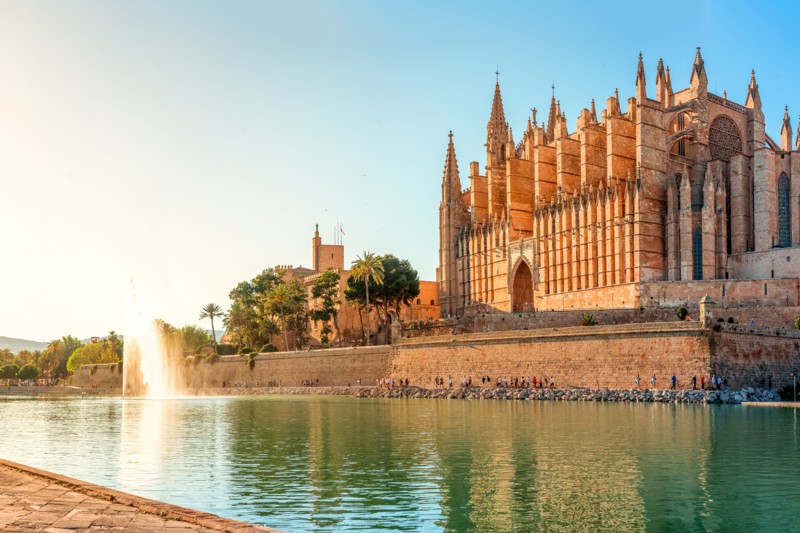
Palma Cathedral (La Seu) is one of the great Gothic buildings of the Mediterranean — an enormous, luminous structure rising directly above the sea wall, its presence dominating the city from every angle. The interior, modified by Gaudí in the early twentieth century, is extraordinary: the largest rose window in the world, and a canopy of wrought iron suspended above the altar that is one of the most striking pieces of religious art in Spain. Free on certain mornings; arrive early.
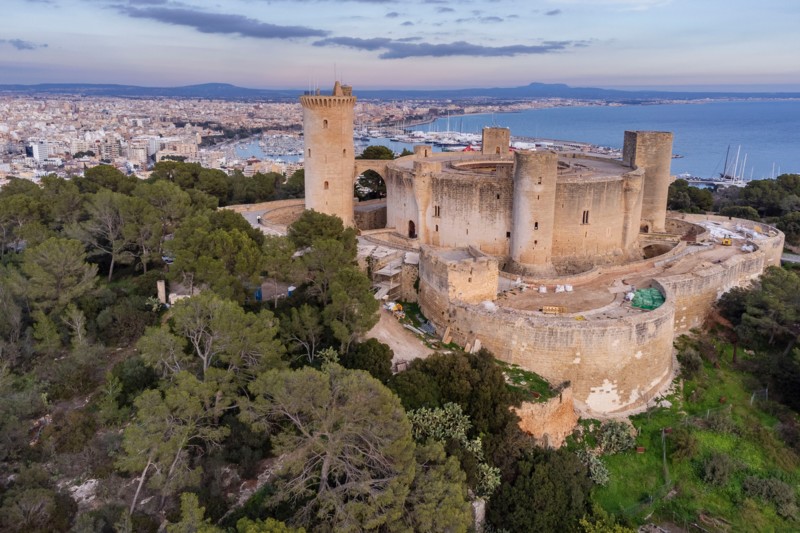
Bellver Castle sits on a pine-covered hill above the city — a rare circular medieval castle with sweeping 360-degree views across Palma Bay and the Serra de Tramuntana. Built in the fourteenth century as a royal residence and later used as a prison, it now houses a history museum and offers the best panoramic view of Palma available.
The Arab Baths (Banys Àrabs) in the old town are among the best-preserved Moorish remains in the Balearics — a quiet, atmospheric corner of the city that speaks to Palma's layered history under Moorish rule before the Christian reconquest.
The Serra de Tramuntana is the mountain range that runs along Mallorca's northwest coast, designated a UNESCO World Heritage Cultural Landscape in 2011. The villages of Valldemossa — where Chopin spent a winter with George Sand in 1838–39 — Deià, Sóller and Fornalutx are among the most beautiful in Spain. The road through the mountains, with its hairpin bends above sheer cliff drops to the sea, is one of the most dramatic drives in the Mediterranean. The vintage wooden train from Palma to Sóller (running since 1912) is one of the island's most enjoyable experiences.
The Markets are woven into Mallorcan life and not to be missed. The Mercat de l'Olivar in Palma is the city's great covered food market — local cheeses, sobrassada (the island's famous cured sausage), fresh fish, vegetables and the best ensaïmades (the traditional spiral pastry of Mallorca) in the city. The Sunday market in Pollença and the Wednesday market in Sineu in the island's interior are among the most authentic and rewarding on the island.
Getting There and Around
Palma de Mallorca Airport is one of the busiest in Spain, with excellent connections from Canada via European hubs. A rental car is strongly recommended for exploring the island beyond Palma — the Serra de Tramuntana, the northeast coast and the interior villages are all best reached by road. Within Palma, the old town is entirely walkable and the waterfront is easily explored on foot or by bike.
Flights from Canada and hotel accommodation are included across our Mallorca packages. Contact us for current departure dates, pricing and availability.