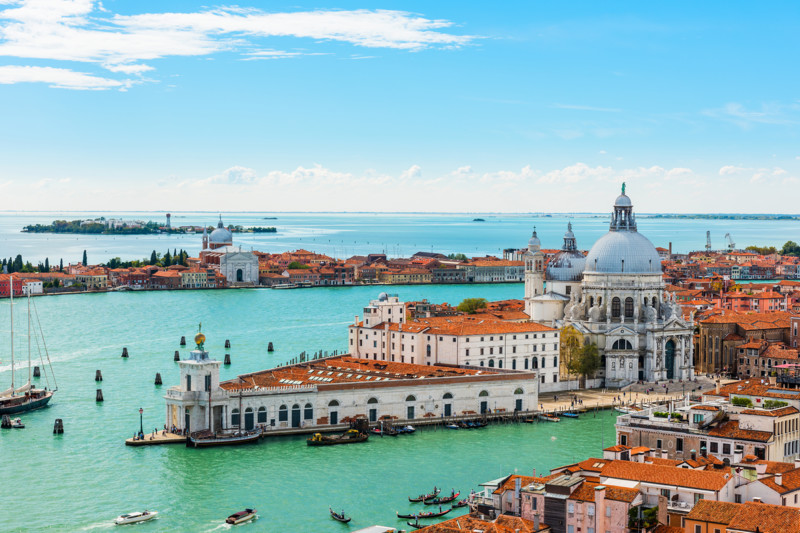
There's a case to be made that these are the two most extraordinary cities in the world. The kind of place that makes you stop mid-street and ask yourself is this real. Venice shouldn't exist by any reasonable logic; a city of marble palaces and Gothic churches balanced on wooden piles driven into a lagoon. Rome simply shouldn't have survived: two and a half thousand years of continuous habitation. Together, they make for one of the great European itineraries. A high-speed train connects them in about three and a half hours with the journey threading down through the Veneto and into the rolling hills of Lazio.
Departure Airports
Most of our Venice and Rome packages are built around departures from Toronto and Montreal. Other Canadian departure cities are available with connecting flights. If your home airport isn't showing, give us a call and our agents can price it out.
Where You'll Stay
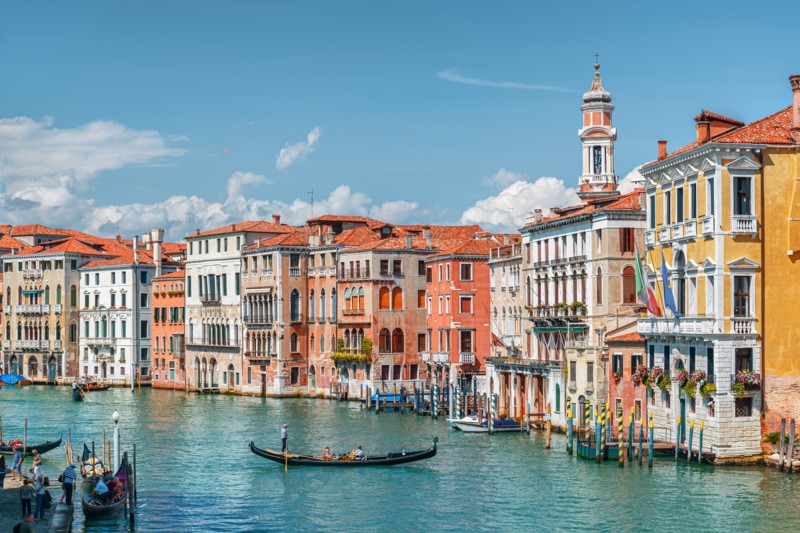
- Venice is unlike anywhere else on earth, and that's not an exaggeration. It's a city built on water, with no cars, no bikes, and no roads in the conventional sense: just canals, footbridges, and narrow stone streets that wind between Gothic palaces and neighbourhood churches. The main sights are extraordinary but give yourself time to slow down here; the city reveals itself gradually, and the visitors who get the most out of it are usually the ones who resist the urge to rush.
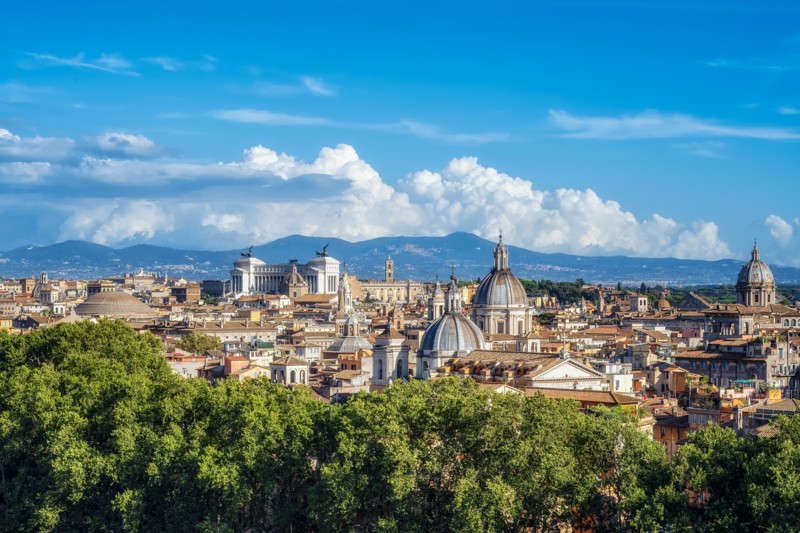
- Rome operates on a scale that takes a little while to absorb. This is a city where you can turn a corner and find yourself face to face with a monument that's been standing for two thousand years, and nobody around you seems especially surprised by it. The Colosseum, the Forum, the Pantheon, Vatican City: these are sights that no amount of prior reading or photography fully prepares you for. But Rome is also a city of neighbourhoods, markets, and trattorias, a place where everyday life carries on cheerfully in the shadow of all that history.
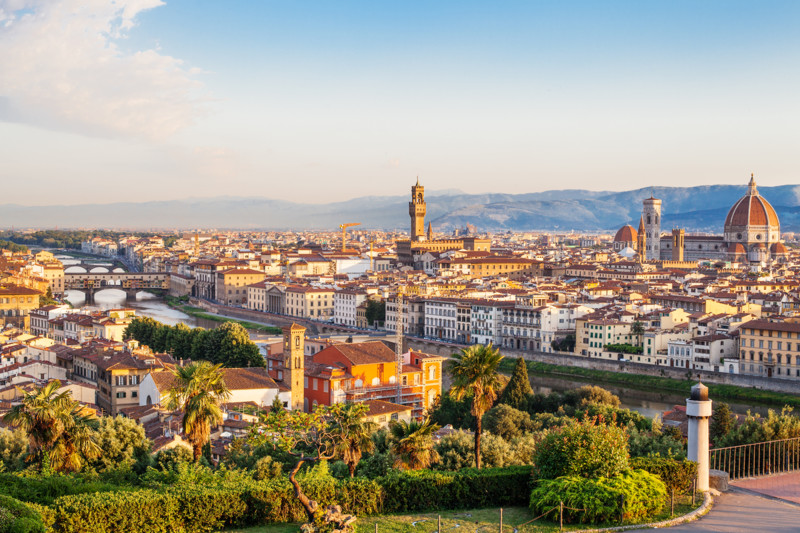
- Florence is the city that essentially invented the Renaissance, and walking around it still feels like that matters. The Uffizi, the Duomo, Michelangelo's David, the Ponte Vecchio: the concentration of world-class art and architecture here is almost unreasonable. But Florence is also a genuinely lovely place to spend time beyond the headline sights, with excellent food, a compact and walkable centre, and a pace that invites you to linger over a long lunch or an evening aperitivo. The art is the reason most people come, but the city itself is what makes them want to come back.
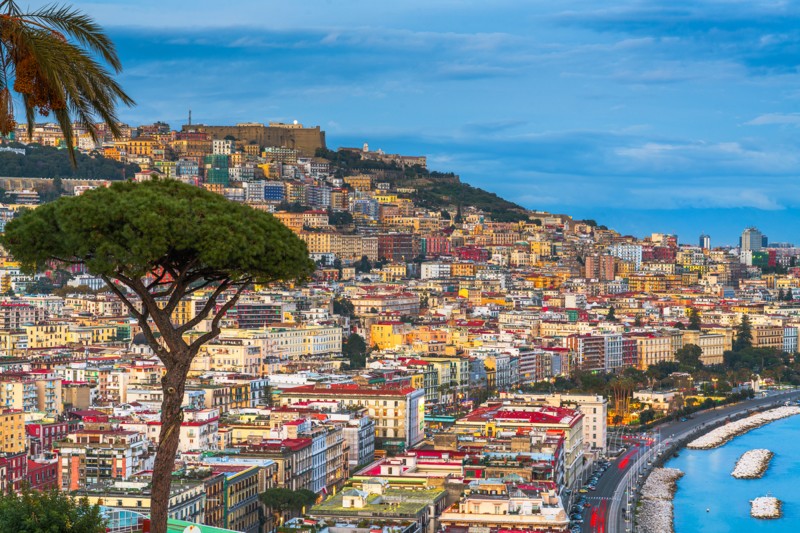
- Naples is a bit loud and chaotic, but that’s all part of the charm. It has a street food culture and a pizza tradition that the rest of Italy quietly acknowledges as the best in the country, a historic centre that's a UNESCO World Heritage Site, and the National Archaeological Museum, which holds the finest collection of Roman artefacts anywhere in the world. The city also puts you right on the doorstep of Pompeii, just thirty minutes away by train.
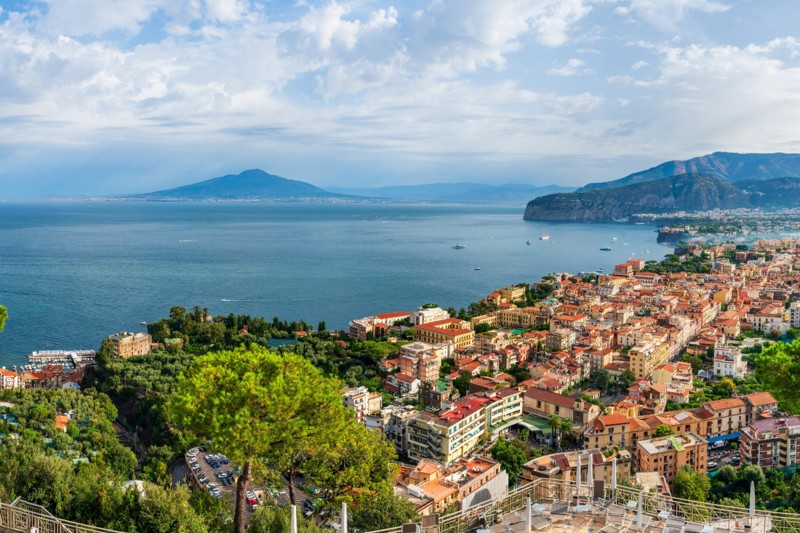
- Sorrento sits on a clifftop above the Bay of Naples, and it really is as beautiful as it looks in the photographs, perhaps more so. It's a proper Italian town with a working centre, good restaurants, and a lemon-scented charm that's genuinely hard to resist. It also happens to be brilliantly positioned: the Amalfi Coast stretches out below it, Pompeii and Herculaneum are within easy reach, and the ferry to Capri leaves from just down the hill.
What to See and Do
Between these two cities, you're dealing with more history, art, and architecture than almost anywhere else on the planet. The wisest thing you can do is accept from the outset that you won't see everything and resist the temptation to try.
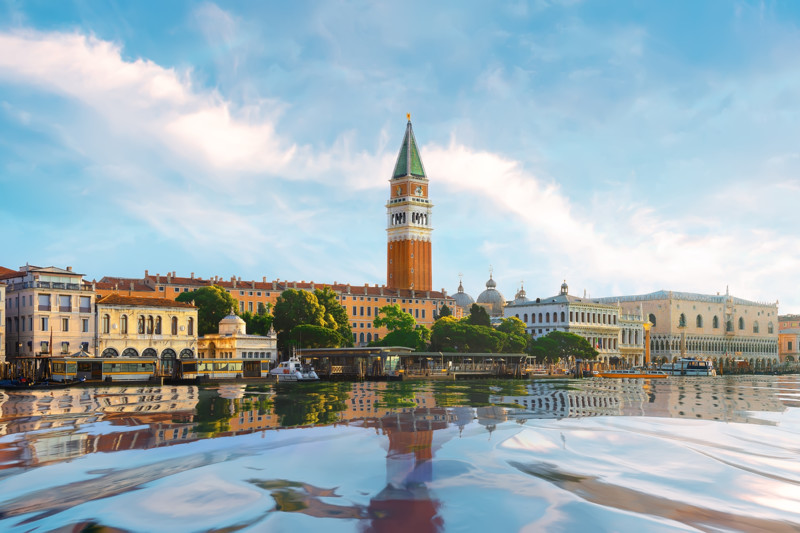
In Venice, start with Piazza San Marco early in the morning, before the cruise ship crowds arrive and while the square still belongs to the pigeons and the early risers. The Basilica di San Marco, with its Byzantine domes and shimmering golden mosaics, is genuinely unlike any church you've ever been in; the adjacent Doge's Palace, the seat of Venetian political power for nearly a thousand years, is one of the finest Gothic buildings anywhere and the combination of grand state rooms, the infamous Council of Ten's chambers, and the Bridge of Sighs makes it a full half-day on its own. Book well in advance to skip the queues.
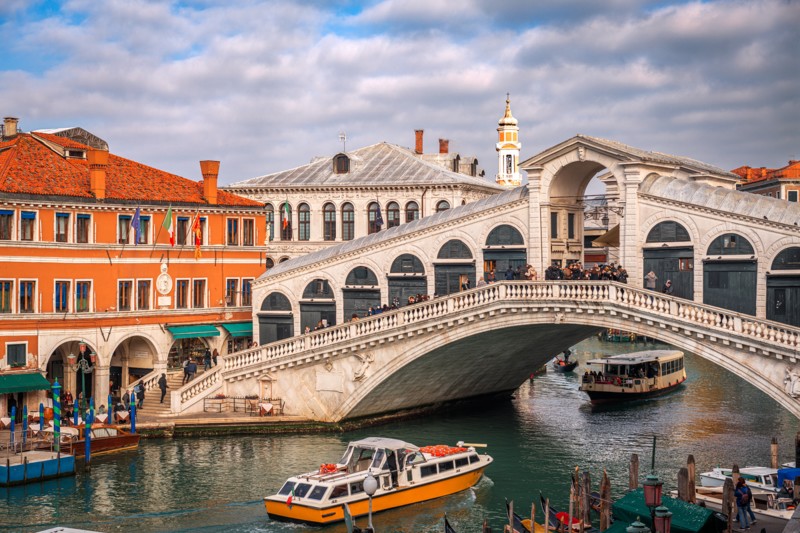
The Grand Canal itself is not something to rush through. Take the number 1 vaporetto from the train station all the way to San Marco and simply watch the city unfold. The palaces lining the canal, built by the merchant dynasties who made Venice the dominant trading power of the medieval Mediterranean, are magnificent from the water in a way no photograph fully captures. The Rialto Bridge and its market, including a fish market that's been operating on the same site since the eleventh century, is vivid and alive and reminds you that Venice is, beneath all its global tourism, still a functioning city. For art, the Gallerie dell'Accademia in Dorsoduro has the finest collection of Venetian painting in the world, and the Peggy Guggenheim Collection next door is one of the great modern art museums in Europe, both in exceptional settings. The Basilica dei Frari in San Polo is worth the trip for Titian's Assumption of the Virgin alone.
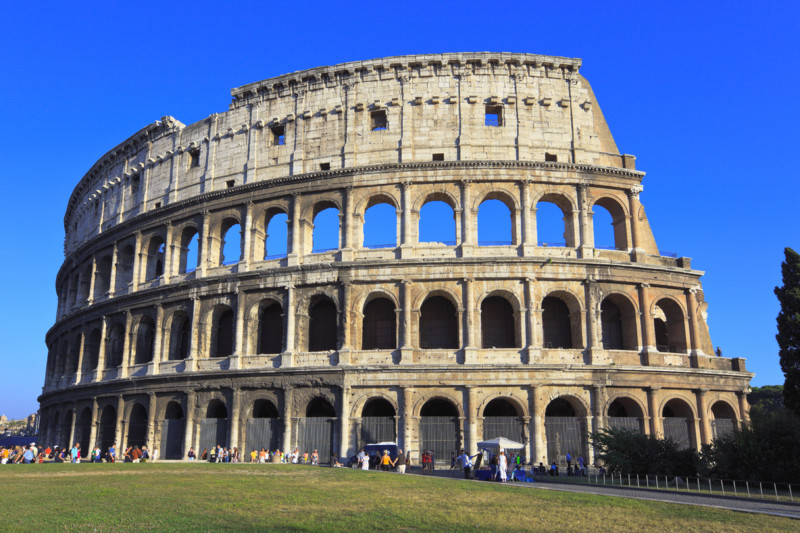
In Rome, the Colosseum is one of those monuments that earns every superlative. Even having seen it in photographs your whole life, the scale and the survival of it, nearly two thousand years old and still dominating its neighbourhood, is something you feel rather than just observe. Book entry in advance; the walk-in queues in high season are punishing. The Roman Forum and Palatine Hill are included in the same ticket and deserve proper time, not a quick lap. The Pantheon, the best-preserved building of ancient Rome, has been in continuous use since 125 AD and still produces that particular silence when you walk in and look up at the oculus. There's nothing quite like it.
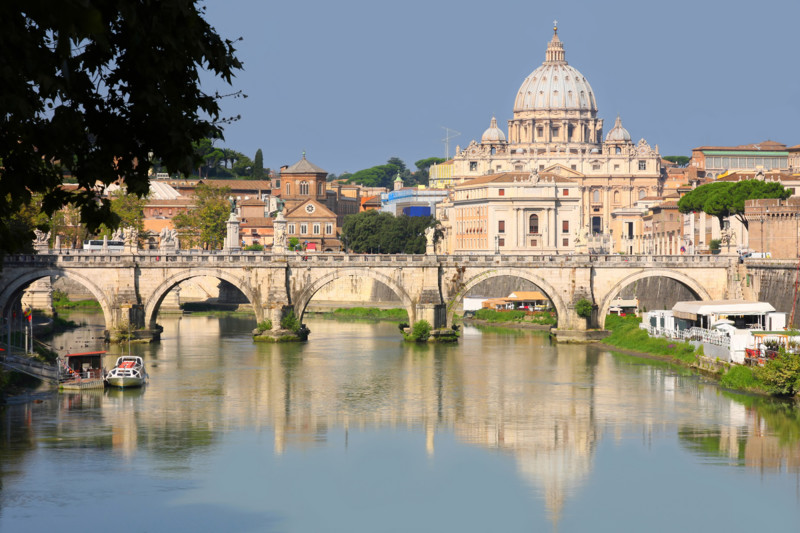
Vatican City deserves a full day if you can give it one. The Vatican Museums and Sistine Chapel require advance booking, and you'll want to arrive early. The Sistine Chapel rewards the visitor who comes knowing what they're looking at: Michelangelo painted the ceiling between 1508 and 1512 and the Last Judgment on the altar wall more than two decades later, and the difference between the two, the confidence, the scale, the emotion, is one of the most remarkable things in art. St. Peter's Basilica and the climb to the top of Michelangelo's dome are a separate, free experience and not to be missed.
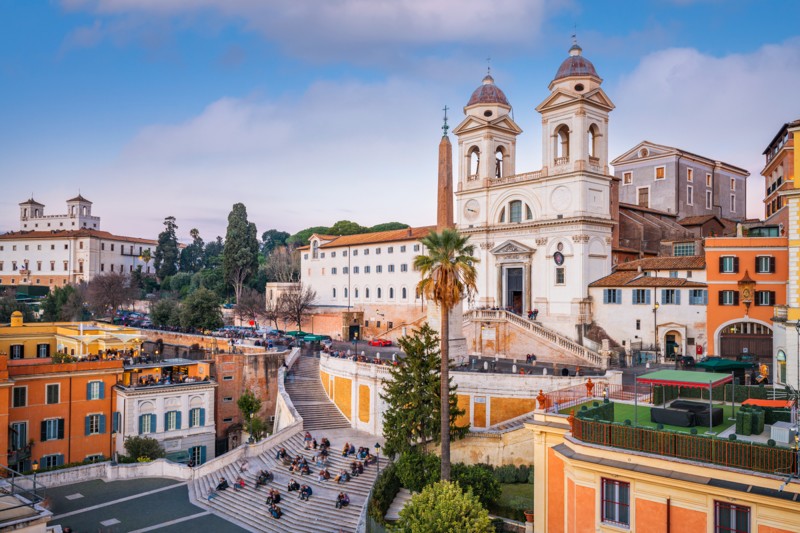
Beyond the headliners, the Borghese Gallery is one of the great art experiences in Italy, housing Bernini's astonishing early sculptures in a villa setting in the park above the city. It's ticketed in timed slots and worth planning around. The Campo de' Fiori market in the morning, the Spanish Steps at dusk, and dinner in Trastevere are three things that cost nothing and are worth every minute. The Mouth of Truth in the portico of Santa Maria in Cosmedin draws the crowds, but the church itself, off most people's radar, is a quietly beautiful early Christian Basilica. And a late-evening walk from the Trevi Fountain toward the Pantheon, when the streets have quietened and the travertine glows under the streetlights, is the kind of evening in Rome that stays with you for the rest of your life.
Getting Around
Venice operates on water and on foot, and nothing else. There are no cars, no buses, no bicycles. The Vaporetto Water Buses are the main public transport, and Line 1 running the full length of the Grand Canal is the one you'll use most; multi-day passes give good value if you're getting around actively. Walking the city's labyrinth of narrow calli, over small bridges, and into unexpected campi is not just the practical way to get around: it's genuinely one of the great pleasures of being there. Getting lost is not a problem; it's an activity. The traghetti, traditional gondola ferries that cross the Grand Canal at a handful of fixed points, are cheap, quick, and a nice local way to get from one bank to the other. A gondola ride through the quieter back canals is a tourist experience, but an honest and atmospheric one when chosen thoughtfully.
Rome is large enough that the metro and buses are worth knowing. Lines A and B cover most of what you'll need, with Spagna, Colosseo, and Ottaviano-San Pietro among the most useful stops. That said, much of the historic centre is easily walked, and the city rewards slow exploration on foot. Taxis are plentiful and honest; the official white cabs with meters are your friend. For getting between Venice and Rome, the high-speed Frecciarossa or Italo trains are the right choice: comfortable, efficient, and genuinely scenic, running down through the Veneto and Umbria in around three and a half hours. Book in advance for the best fares.
When to Go
April, May, September, and October are the sweet spots for both cities, with mild temperatures, good light, and manageable crowds. October is a particular favourite among travellers who've done the trip more than once: the summer hordes have thinned, the evenings are cool, and the light in both cities is exceptional.
Summer is vivid and energetic but genuinely hot and busy, especially in July and August; if you go in summer, an early start each morning gives you the sights at their best before the heat and the crowds build.
Winter is quiet and surprisingly rewarding. Rome in December has Christmas markets and illuminated streets, and the major sights without the peak season queues. Venice in January, with morning mist lifting off the lagoon and almost no tourists in the streets, is a genuinely different and remarkable version of the city. Venice's Carnevale in February is one of Europe's great festivals, worth planning around if it appeals, though accommodation books up well ahead.
Not sure which itinerary is right for you?
That's exactly what we're here for. Our agents know the region well and can help you figure out the right fit for you. Give us a call at 1-800-665-4981 and let's build you something worth looking forward to.